A Quick Guide to Coffee: History, Culture, Health, Types of Beans, Brewing Methods, Coffee Economy

As a coffee lover, I always enjoy every sip of that hot morning coffee, whatever type of brewing method or type it was made. Whether that fancy espresso based hot americano I made from my cheap espresso machine, that Mccafe I bought at the nearest McDonald’s, that sweet latte I grabbed from a local shop, or even that simple cup that is by combining that instant coffee + hot water.

Each one carries its own charm, its own story, and its own comfort reminding me that it isn’t just about taste, but about the moments and feelings that come with every sip.
1It is more than just a beverage, it is a 100+ Billion dollar industry, a cultural symbol, and worldwide sensation. From its ancient origins in Ethiopia to modern specialty cafés, it has shaped societies, fueled creativity, and sparked countless conversations. This guide explores it in depth: its history, cultural significance, health impacts, and the many ways it can be enjoyed today. So come, join me as we explore…
Table of Contents
1. The History2
- Origins in Ethiopia: Legend traces coffee’s discovery to a goat herder named Kaldi, who noticed his goats became energetic after eating the cherries.
- Spread to the Arab World: By the 15th century, it was cultivated in Yemen and brewed in Sufi monasteries to aid in night prayers.
- Arrival in Europe: Coffeehouses flourished in the 17th century, becoming hubs of intellectual exchange—nicknamed “penny universities.”
- Global Expansion: Colonization and trade spread its cultivation to Asia, Africa, and Latin America, making it one of the most traded commodities worldwide.
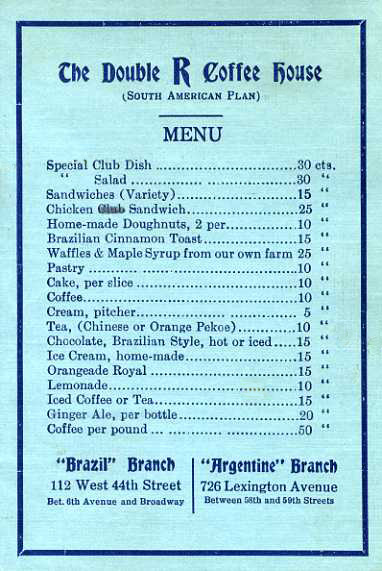
An old coffeehouse menu. Source: Restaurant-ing through history
The Global Spread and Mass Production
European Origins
The Dutch East India Company was the first to import iton a large scale. They later cultivated it in Java and Ceylon, with the first exports from Java to the Netherlands in 1711.
In England, it gained popularity through the British East India Company. A diary entry from 1637 records John Evelyn tasting it at Oxford, introduced by a student from Crete. Oxford’s Queen’s Lane CoffeeHouse, founded in 1654, still exists today.
It reached France in 1657, and spread to Austria and Poland after the 1683 Battle of Vienna, when supplies were taken from the defeated Turks.
North American Origins
Coffee arrived during the Colonial period, but alcohol remained more popular. During the Revolutionary War, demand surged as tea supplies dwindled and many Americans boycotted tea after the Boston Tea Party.
By the 18th century, Britain shifted toward tea drinking, which was cheaper and easier to prepare. Sailors even made “coffee substitutes” by dissolving burnt bread in hot water.
The Middle East Origins
In the 19th century, Captain Haines noted that Mokha imported much of its coffee from Berbera before British-controlled Aden took over the trade. Ethiopian ones was then exported through Aden.
Caribbean and the Americas
In the 1720s, Gabriel de Clieu carried a coffee plant to Martinique, from which much of today’s arabica coffee descends.
It thrived in the Caribbean, especially in Saint-Domingue (Haiti), which by 1788 supplied half the world’s supply. Harsh plantation conditions contributed to the Haitian Revolution, and the industry never fully recovered there.
Yemen’s Economy
By the late 16th century, Yemen had developed a booming trade out of it. Farmers grew it on mountain terraces, and ports like Mocha became global hubs.
And by the 17th century, it had even surpassed the spice trade in importance.
Brazil and South America
It was introduced to Brazil in 1727, but large-scale cultivation began after independence in 1822. By 1852, Brazil had become the world’s largest producer, and between 1910–1920 it exported about 70% of global supply.
Other Central American countries also grew it, often through exploitation of indigenous people. Costa Rica was an exception, with smaller farms and more equitable conditions.
By the late 19th century, it’s consumption in the United States exploded. By 1920, Americans consumed half of the world’s supply, making the U.S. the largest consumer.
Global Cash Crop
Today, coffee supports over 100 million people in developing countries.
It remains the backbone of economies in nations like Uganda, Burundi, Rwanda, Ethiopia, and many Central American countries.
Legends and Myths
- One famous legend tells of Kaldi, a 9th-century Ethiopian goatherd, who noticed his goats became energetic after eating coffee-berries. This story, however, only appeared in writing in 1671 and is likely apocryphal.
- Another tale credits Sheikh Omar, who, after exile from Mokha, discovered it by boiling berries to create a sustaining drink.

Diners enjoy lunch at Terra Nova Cafe and Bakery on Wednesday, located on Fourth Avenue East in Hendersonville. Hendersonville Times-News.
2. The Culture’3
- Social Hubs: From Ottoman cafés to Parisian salons, they shaped political, artistic, and social movements.
- Ceremonial Traditions: Ethiopian ceremonies and Japanese kissaten highlight coffee’s role in cultural identity.
- Modern Specialty Shops: The “third wave” movement emphasizes sustainability, direct trade, and artisanal brewing methods.

A Drive-Thru Espresso shop in 2005. Source: Pinteres
Social Aspects of Coffeehouses
In Turkey and across the Ottoman Empire, coffeehouses became central to everyday life by 1600, with Turkish coffee still a defining part of the culture today. Whether in Europe, Asia, or the Americas, cafés have consistently served as places where conversation, community, and caffeine come together.
Traditions
In Northern Europe, coffee parties are popular, often accompanied by cakes and pastries. Strong black coffee is consumed throughout the day, especially in Germany, Austria, and the Nordic countries. Free refills are common when paired with pastries.
In the United States, coffee shops are widely used as meeting spots for business and social gatherings, and they are popular dating venues for young adults.
3. Health Aspect4
TL;DR
- Potential Benefits: Research suggests moderate consumption may reduce risks of type 2 diabetes, cardiovascular disease, and certain cancers.
- Cognitive Effects: Caffeine improves alertness, focus, and mood, making it a productivity staple.
- Risks and Sensitivities: Excessive intake can cause insomnia, jitters, or stomach sensitivity. Decaffeinated options provide alternatives for those avoiding caffeine. Checkout the best options for non coffee drinkers here.
It is also tied to how our bodies respond to it. For centuries, people have debated whether it is “good” or “bad,” but modern research paints a more balanced picture. Like most things, it comes down to moderation and personal sensitivity.
4. Types of Coffee Beans5
Keytakeaways
- Arabica: Smooth, aromatic, and widely consumed.
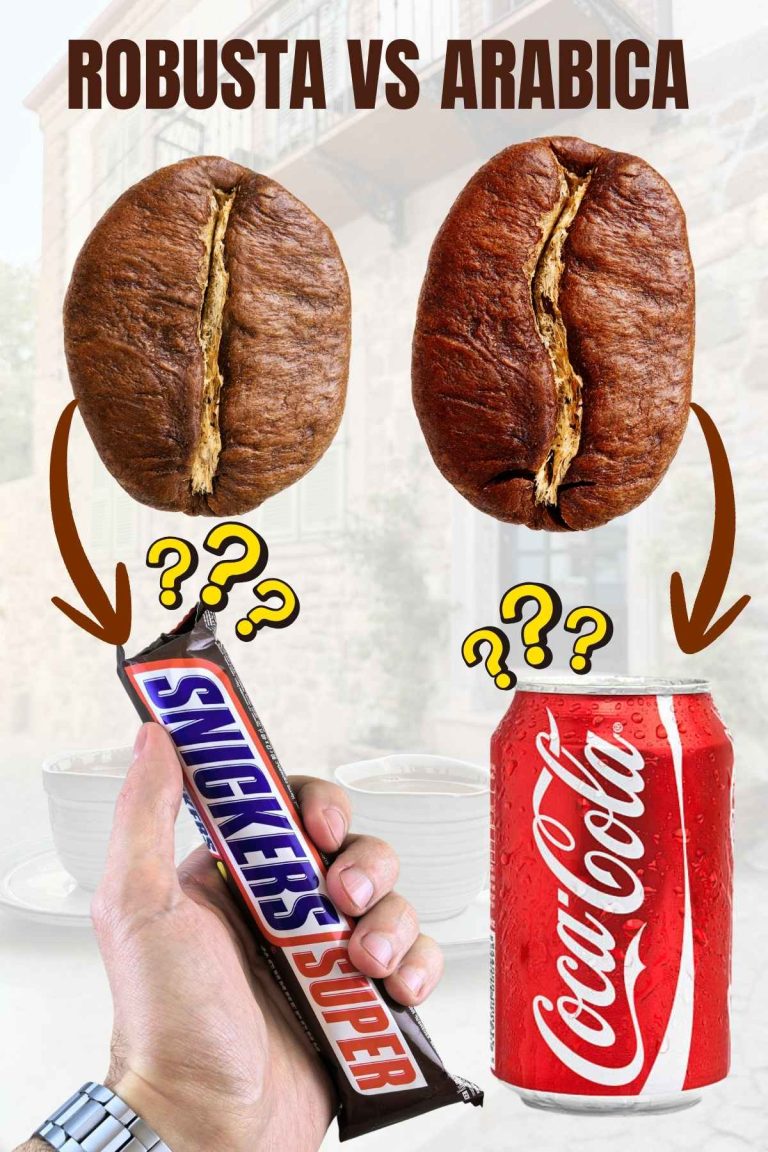
- Robusta: Stronger, more bitter, with higher caffeine content.
- Liberica & Excelsa: Rare varieties with unique flavor profiles, popular in Southeast Asia.
It is a one-size-fits-all—the flavor, aroma, and even caffeine kick depend on the type of bean. While Arabica and Robusta dominate the global market, there are lesser-known varieties like Liberica and Excelsa that bring unique character to the cup.
5. Brewing Methods6
- Espresso: Concentrated, rich, and the base for many drinks.
- Pour-Over: Clean, bright flavors highlighting bean origin.
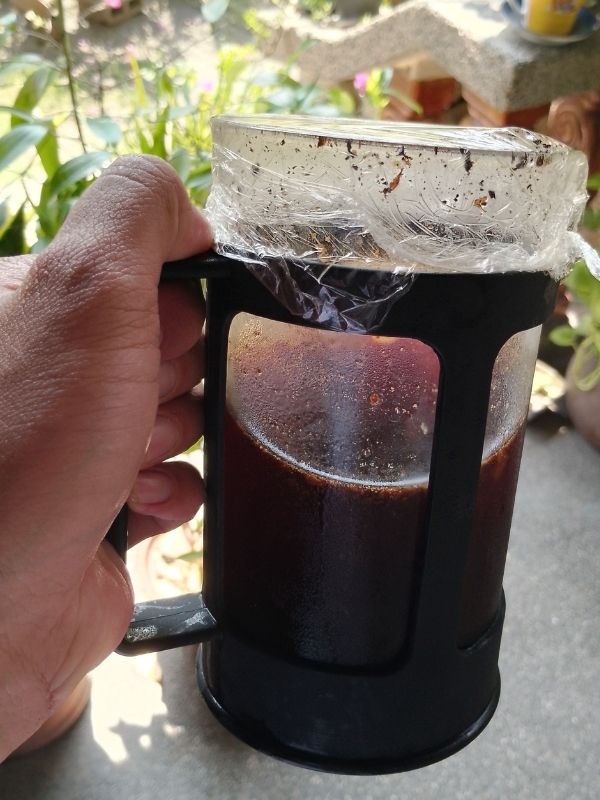
- French Press: Full-bodied, robust brew.
- Cold Brew: Smooth, less acidic, and refreshing.
- Innovations: Nitro cold brew, specialty drippers, and smart machines.
The it is brewed can completely change its flavor, texture, and even how it feels on your stomach. Each method brings out different qualities in the beans, making it one of the most versatile drinks in the world.
Brewing Methods Comparison Table
Quick Takeaways
- Need a fast caffeine hit? Espresso is your go-to.
- Want to taste the bean’s origin? Pour-over highlights delicate flavors.
- Prefer a hearty, comforting cup? French press delivers depth and texture.
- Sensitive to acidity? Cold brew is smoother and easier on the stomach.
6. Coffee as a Billion-Dollar Global Industry7,8,9
Coffee is one of the world’s most valuable agricultural commodities. The industry spans farming, processing, trading, roasting, and retail, making it a cornerstone of global commerce.
Key Economic Highlights
- Economic Impact: It is the second most traded commodity after oil. Millions of farmers depend on it for livelihood.
- Sustainability Challenges: Climate change threatens the regions where they’re grown; fair trade and shade-grown practices aim to protect ecosystems.
- Trends: Specialty cafés, tourism, and creative recipes (cocktails, infused foods).
Regional Leaders: Europe holds the largest revenue share (34.1% in 2024), with Germany leading consumption.
Market Size: Valued at $256.29 billion in 2025, with forecasts reaching $369.46 billion by 2030.
Global Reach: Consumed in billions of cups daily, coffee is traded across every continent.
Employment: Provides livelihoods for over 25 million farming families worldwide, especially in Latin America, Africa, and Asia.
Trade Value: International coffee trade surpassed $26 billion in 2023, showing its importance in global markets.
It is today is more than just a morning pick‑me‑up, it’s a global connector and a creative space. From the farmers who grow it to the businesses that serve it, it continues to shape how people live, work, and share moments.
“This tiny bean is life…”
The origins of this tiny bean stretches from the hills of Ethiopia to the bustling businesses we know today, showing how one drink can bring people together across cultures and generations. Whether it’s that first cup in the morning, a catch‑up with friends, or a quiet moment to yourself, it keeps finding new ways to fit into everyday life. It’s constantly evolving, new flavors, new brewing styles, new traditions—yet it still carries the same warmth and connection that made it special centuries ago.
So the next time you sip that hot or cold cup, whether with milk, with ice, or with your favorite flavor, remember it’s more than just a drink. It’s a story in every sip…connecting people, places, and moments across time.
References
- Grand View Research. (n.d.). Retrieved December 6, 2025, from https://www.grandviewresearch.com/industry-analysis/coffee-market ↩︎
- Wikipedia contributors. (2025, December 4). Coffee. Wikipedia. https://en.wikipedia.org/wiki/Coffee#Historyiew Research. (n.d.). Retrieved December 6, 2025, from https://www.grandviewresearch.com/industry-analysis/coffee-market ↩︎
- Wikipedia contributors. (2025, December 4). Coffee. Wikipedia. https://en.wikipedia.org/wiki/Coffee_culture# ↩︎
- Wikipedia contributors. (2025, December 4). Coffee. Wikipedia. https://en.wikipedia.org/wiki/Health_effects_of_coffee ↩︎
- Types of coffee beans: Their similarities and differences. (n.d.). Nescafé UK & IE. https://www.nescafe.com/gb/coffee-culture/knowledge/coffee-bean-types ↩︎
- Wikipedia contributors. (2025, December 4). Coffee. Wikipedia. https://en.wikipedia.org/wiki/Coffee_preparation#Brewing ↩︎
- Qahwaworld (n.d). Retrieved December 11, 2025, from https://qahwaworld.com/news/fao-releases-major-report-on-the-global-coffee-market-in-2025 ↩︎
- Grand View Research. (n.d.). Retrieved December 6, 2025, from https://www.grandviewresearch.com/industry-analysis/coffee-market ↩︎
- Everyday People Coffee & Tea (n.d.). Retrieved from, December 11, 2025 https://www.everydaypeoplecoffeeandtea.com/blogs/news/coffee-statistics-2025-market-trends-consumption-data-consumer-insight ↩︎