Is coffee good for you? A Comprehensive Scienced-based Report By James Hoffmann

Is coffee good for you? “It’s a big question and it’s one I get asked a lot, and I understand it. It’s almost impossible to eat or drink anything these days without some awful tabloid rag telling you it’s either gonna kill you or give you cancer, or help you live forever.
Now, the eagle eyed amongst you might have noticed that I am not a medical professional and I should say, none of this is medical advice. So today, we’re gonna look at different areas of scientific research around coffee and health to see what we can learn.
Now caffeine is one of the most studied substances on Earth, and it’s humanity’s psychoactive drug of choice.
And that means there’s actually quite a lot of research about coffee out there too for us to look at.
But it’s important to remember, scientific research like this is complex, often contradictory, and it is evolving all the time.
So I’m not here to give you the last or final word on anything.”
Table of Contents
Coffee and All Cause Mortality
“So the first area we’re gonna look at involves a terrifying phrase.
We’re gonna look at the relationship between coffee and ‘all cause mortality.’
These are studies done asking the question, “does drinking coffee make you die sooner?”
Now if you’re looking at the studies here, there’s two types of studies.
There’s often meta analyses, which are studies looking at a collection of other studies, trying to combine and compile all the data into one to look at broader trends.
And then you have nutritional epidemiology, which tends to look at a population over a period of time, try and collect as much data as you can about them, and then again, look for trends or associations within that data.
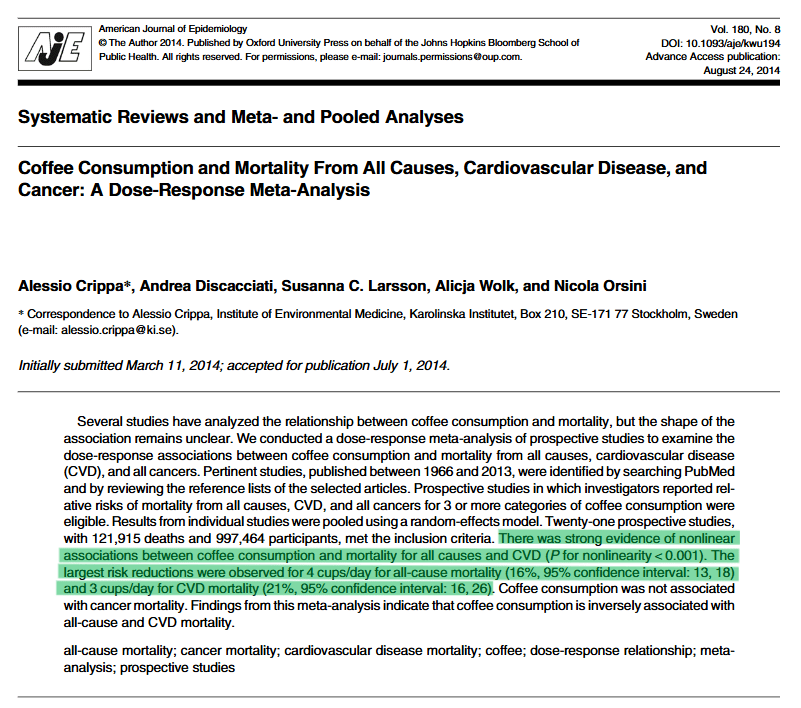
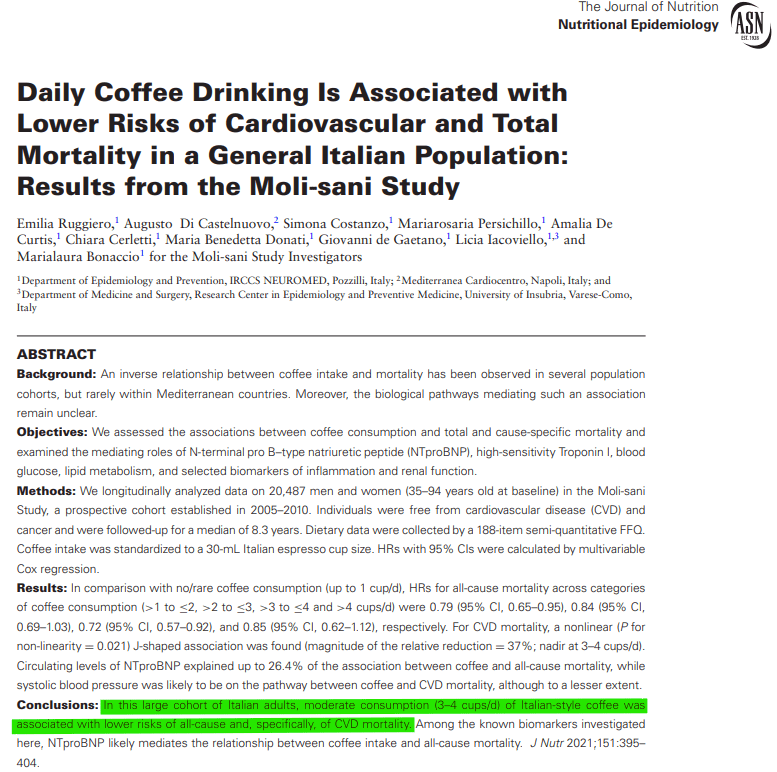
The news from the studies is pretty good—Drinking coffee has been associated with a reduction in all cause mortality.
The numbers are not universal everywhere, but one study showed that at four cups a day, a 16% reduction in all cause mortality, and a 21% reduction in cardiovascular heart disease.
So this is great news.
Let’s just drink more coffee.
Well, hang on.
We need to look at criticisms of this kind of work.
Firstly, these are not your standard, double blind, very controlled trials.
We’re not taking a bunch of identical twins, splitting them in half, and giving one group coffee their whole life and the other group no coffee their entire life.
Ethics committees seem to get in the way of these sort of things.
And again, nutritional epidemiology has a bunch of critics out there who see a lot of limitations in those kind of studies.
A lot of the data about what people eat and drink is self reported.
And even then, well, from my point of view, what exactly is a cup of coffee?
Because if you look at the studies, well, it’s not often clearly defined.
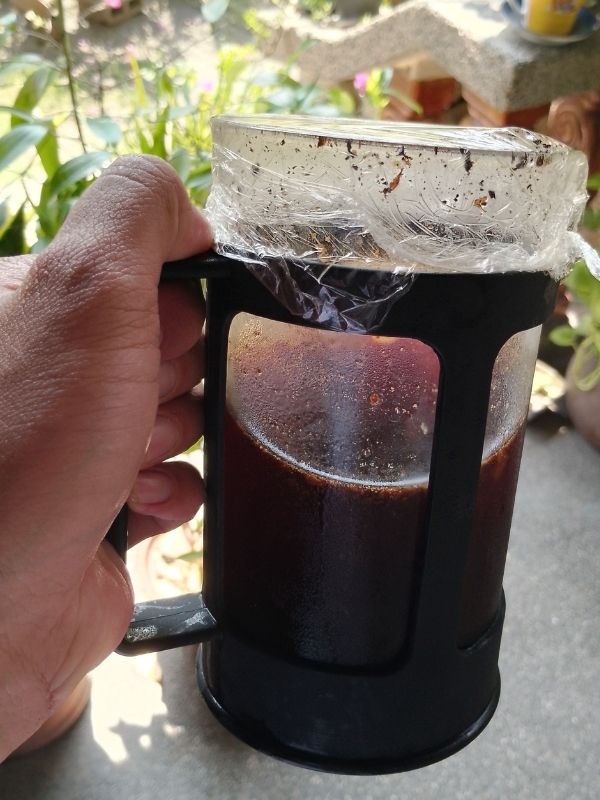
And if it is clearly defined, often a cup of coffee is seen as being a 125 mils (mL)
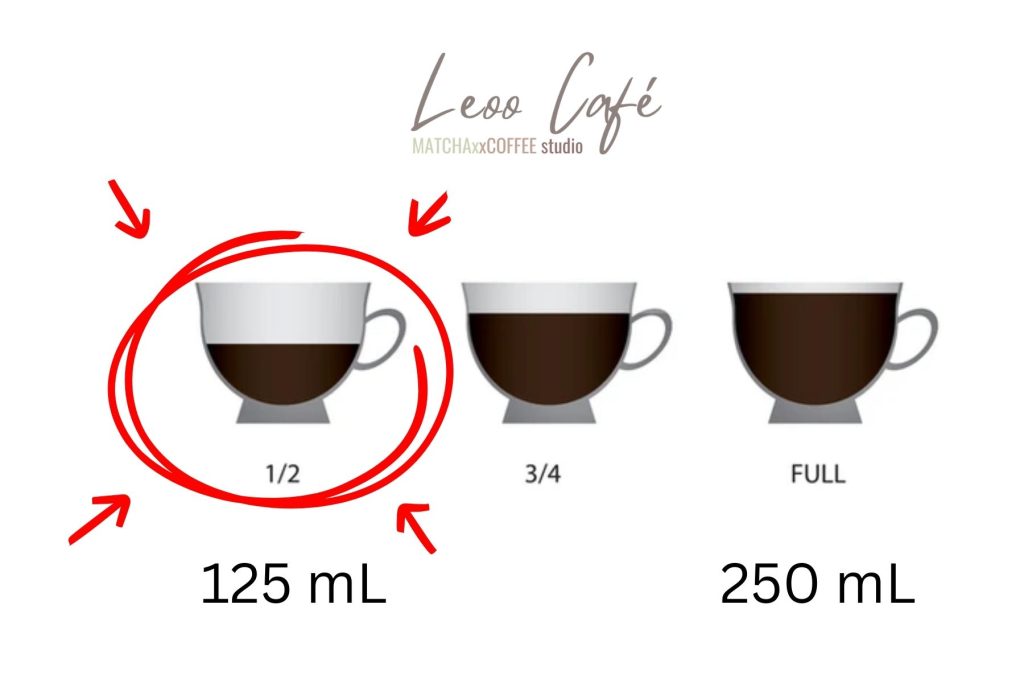
That is this cup half full. (Image above)
In addition, does espresso count as a single cup?
How much coffee was used to make that one cup of coffee?
Did they have milk or cream or sugar or something else in their cups too?
None of this is really covered.
And for me, that stuff is really important.
So overall, the results seem to be so consistent all the way that that seemed good.
But it is worth having a little bit of skepticism around studies like this.
Coffee and Cardiovascular Disease
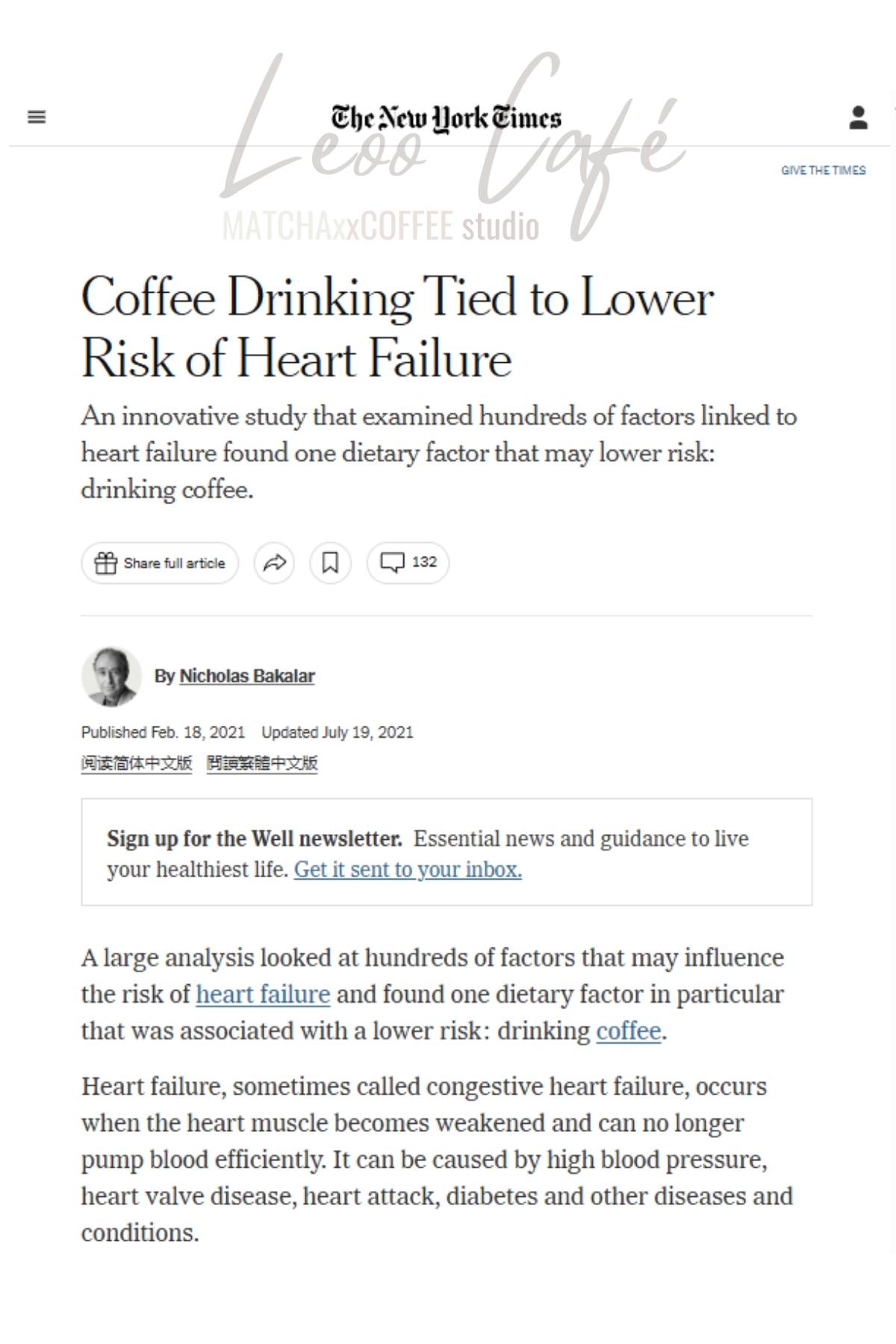
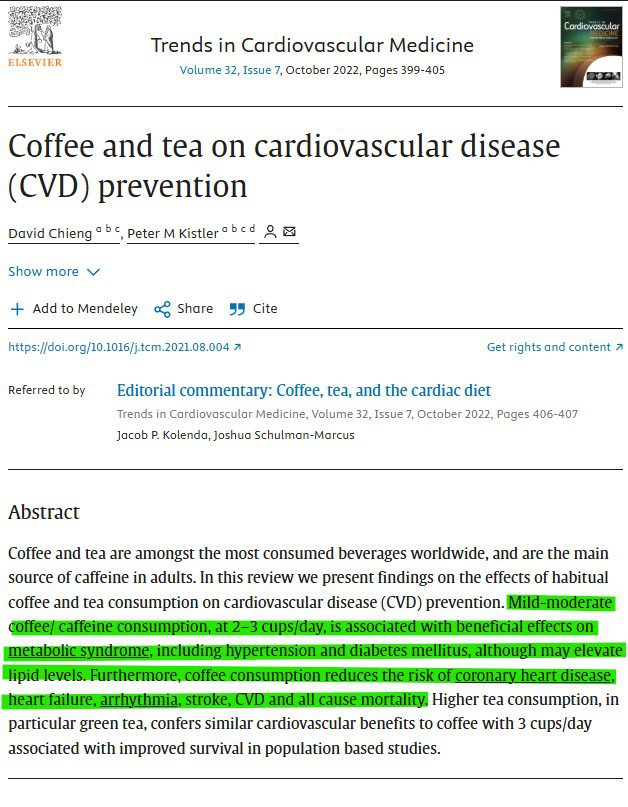
Now we did touch on this briefly before, but there have been studies looking specifically at coffee and cardiovascular disease.
And interestingly, they seem to come very often to similar conclusions.
At three to four cups of coffee a day is the kind of strongest association between that and a reduction in cardiovascular disease.
One study though did point out that any benefits you might gain are gone by the time you’re drinking 10 cups of coffee a day.”
Caffeine and Performance
“Let’s talk about caffeine and exercise. We know exercise is good for us.
So does drinking coffee support us doing a better job in the gym or in playing sports?
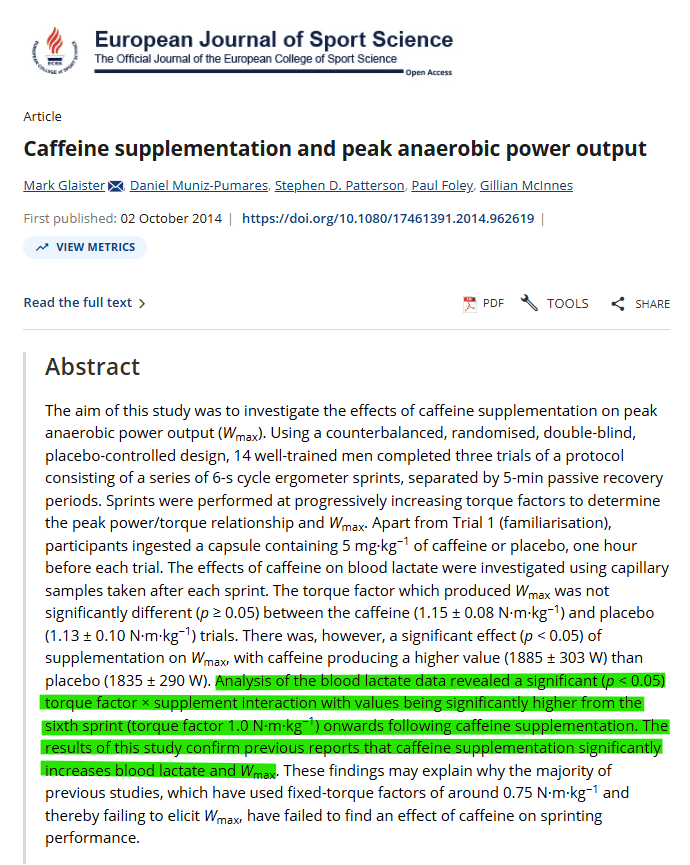
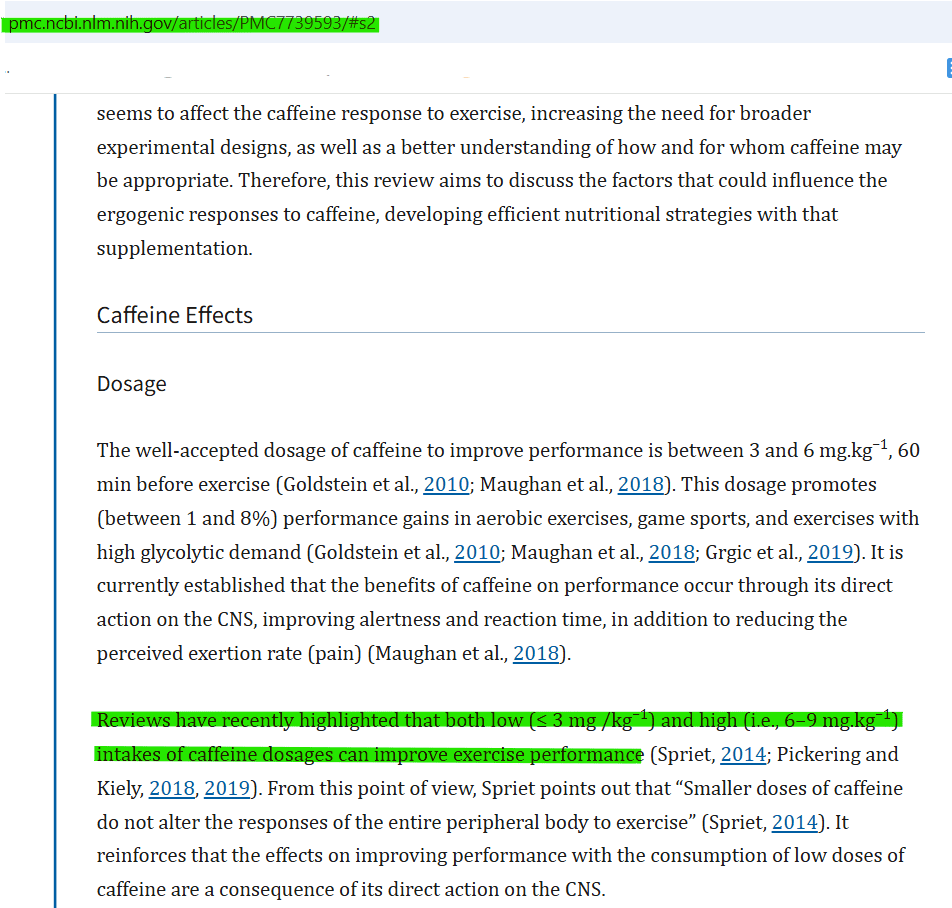
There have been a lot, like a lot of studies done on caffeine and sports performance. And I think at this point, it’s pretty well established that 3-6 mg of caffeine as a dose per kilo of body weight has a measurable impact improving endurance and peak power output.
All well and good, but there are a couple of important caveats. Firstly, these studies are usually done on trained athletes. And so while those improvements are measurable and repeatable, they are relatively minor.
Now in the world of elite sports, relatively minor is really, really important. But for the rest of us, it’s important to set our expectations appropriately. And secondly, well, I wanna think about this from the coffee enjoyer’s point of view. I’m 90 kilos.
So if I wanna hit six milligrams per kilo, I need to get 540 milligrams of caffeine into my system. If I wanna do that with filter coffee, that’s gonna be a lot of filter coffee.
Even if I went with espresso, it’s like four or five double espressos before I hit the gym.
Now, do remember there are measured effects at 3 milligrams so you don’t have to go to 6 milligrams.”
Coffee and Sleep
“Let’s stay with caffeine and talk about areas in which coffee consumption may not be healthy.
Let’s talk about sleep.
Now, I think it’s fair to say we all understand sleep is good for you.
But I also think it’s fair to say that until recently, science had underestimated just how important good sleep is for health.
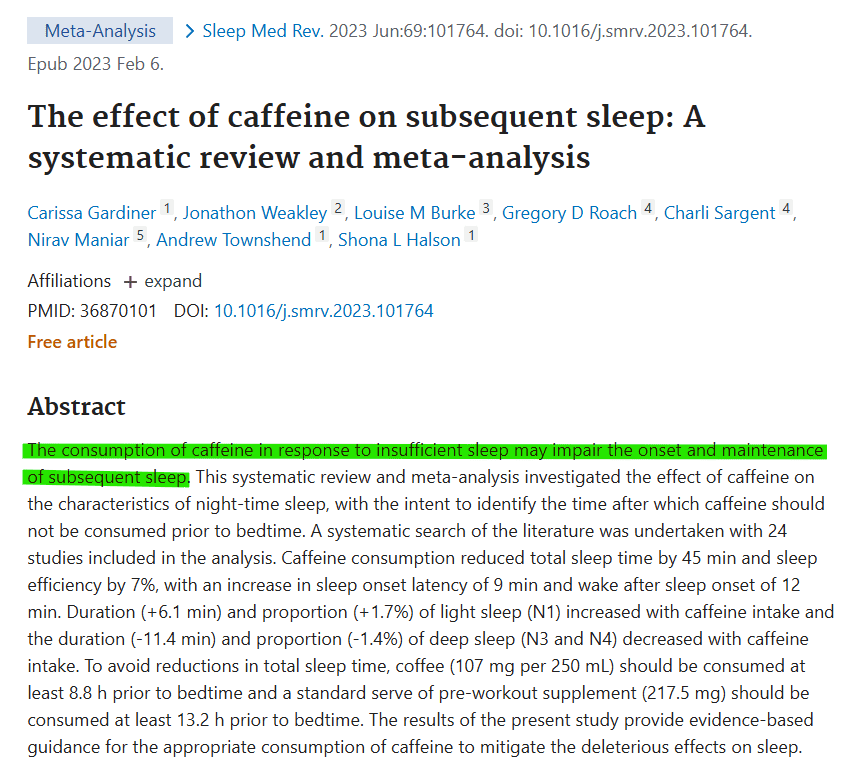
When it comes to coffee, any benefits you may get from drinking coffee will be negated very quickly by interfering with your sleep, whether it’s quality or it’s duration.
Coffee consumption feels a bit like a double edged sword.
Let’s say you wake up tired.
The first thing you’re gonna reach for is probably a cup of coffee.
But that caffeine may still be in your system when you go to bed at night, resulting in a worse night’s sleep.
It may be delayed sleep onset.
It may be a lower quality or depth of sleep.
And so in the morning, you wake up tired.
And what do you do?
Well, you reach for the coffee again.
It’s hard to argue against coffee when you’re tired.
One study I read said that tiredness had recently surpassed both drugs and alcohol as the leading identifiable cause in preventable accidents.
But it does feel like a vicious circle.
This is important to remember throughout.
People’s response to different food and drinks is not universal.
In fact, when it comes to caffeine, we’ve actually identified different genes that determine whether you are a slow or a fast caffeine metabolizer.
So personally for me, no caffeine after 2PM.
350 milligrams is my maximum a day, but I do know people that can drink a double espresso after dinner and have no issues sleeping.
The thing here to think about is if you are concerned about the quality of your sleep, it is certainly worth experimenting with reducing, if not eliminating caffeine and seeing if that has a positive effect.
And don’t forget, the half life of caffeine for most people is around 5 hours, which means it can take up to twelve hours to fully clear your system.
You drink an espresso at midday, and you go to bed at night, and there’s still a surprising amount of caffeine in your system.”
Impact of Brewing Method
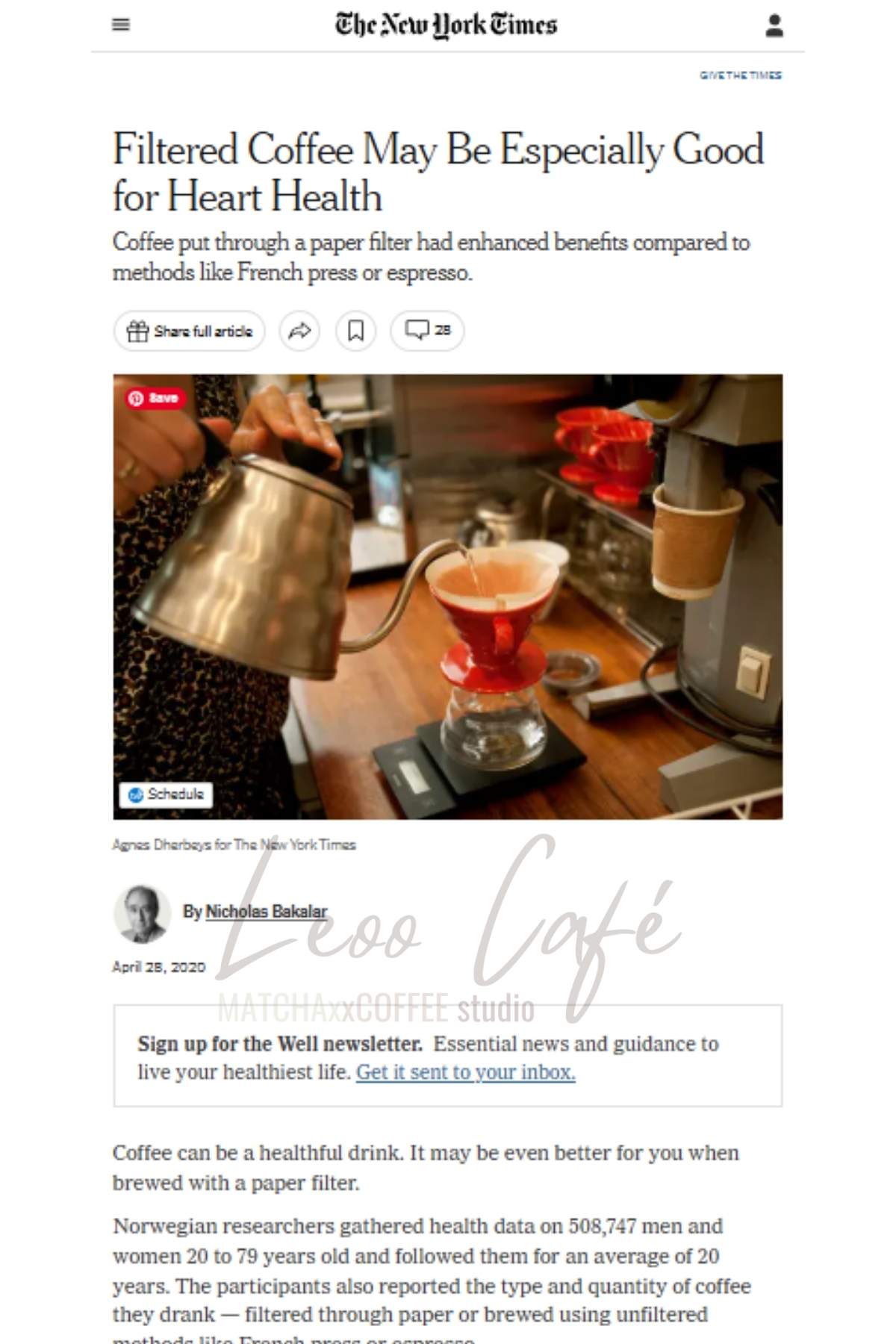
“Now when it comes to how you brew your coffee, there was an interesting study from 2020, in Norway.
They looked at a population of about half a million people over the course of twenty years looking at diet and health outcomes, particularly heart disease.
And what they found was very interesting and quite widely reported.
They found that compared to drinking no coffee, drinking filtered coffee, paper filtered coffee, had an association with lower all cause mortality and lower levels of heart disease.
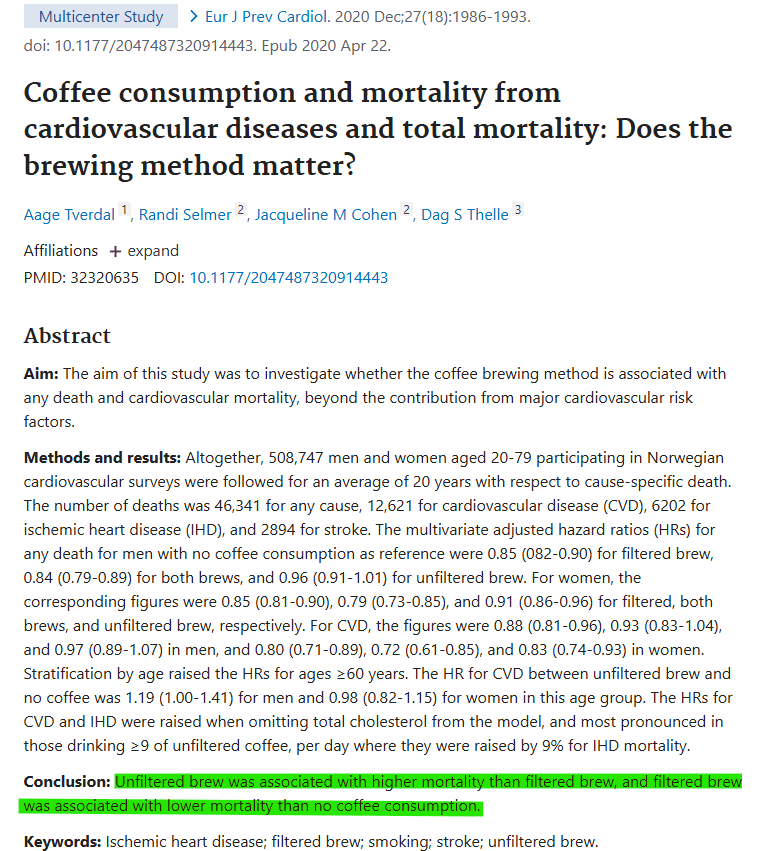
They did not find the same association with unfiltered coffee, something like a French press or a moka pot or boiled coffee or maybe even espresso.
The speculation was that, two oils present in coffee that don’t get filtered out in unfiltered coffee are carveol and cafestol.
And we’ve seen over the years that, increasing your consumption of those does potentially lead to higher levels of serum cholesterol.
If you have filtered coffee, that reduces those levels of those lipids 30 times.
That’s the idea.
It is worth noting, however, that in the Norwegian study, those that say drank more unfiltered coffee also tended to smoke more cigarettes.
Before you throw out your French press or stop using your espresso machine, we should look at another study.
There was one from Italy.
Home, I think, of unfiltered coffee for sure.
They’re all drinking espresso.
There’s no paper filters there.
There, they found that drinking three to four cups a day had the same kind of, positive associations with lower all cause mortality and lower heart disease as many other studies had found.
Though interestingly, again, those that drank more espresso in Italy had the worst diet and smoked the most cigarettes.
And drinking more than four cups a day, well, any association was statistically insignificant.
Back to the Norwegian study for a second.
They speculated that the positive benefits of coffee drinking didn’t come from caffeine, but from the polyphenols found in coffee.”
Coffee and The Gut/The Microbiome
“And now we need to talk about coffee and the gut.
By the gut, I mean, with the microbiome.
A while ago, I spoke to doctor Tim Spector about the stuff, and it was very interesting.
And we’ll start with those polyphenols that we mentioned.
Now polyphenols is a pretty broad category.
They’re typically defense chemicals in plants, and they also have antioxidant properties.
If you’re a bit of a coffee nerd, you might have heard of chlorogenic acids.
Those are polyphenols found in coffee.
Now if you wanna maximize your polyphenols in coffee, there’s a couple of important things.
Firstly, one study looked at staling.
(In Coffee Roasting
What it is: A halt in the rate of temperature increase during roasting, sometimes called “baking”.
Why it’s bad: Prevents proper caramelization, resulting in underdevelopment, weak sweetness, and unpleasant, thin flavors. )
It looked at light roasted coffee beans over the course of a year, and the quantity of polyphenols dropped by 85% compared to fresh in that year, which is surprising.
Secondly, if you’re concerned about roast, well, lighter roasts have significantly more [polyphenols] than darker roasts.
Polyphenols typically degrade over the course of a light to dark roast.
Thirdly, if you’re one of those people that carefully removed the chaff if you’re brewing coffee, we’ll know that you are throwing away an additional source of polyphenols.
But it isn’t just the polyphenols in coffee that might have a beneficial relationship with our gut.
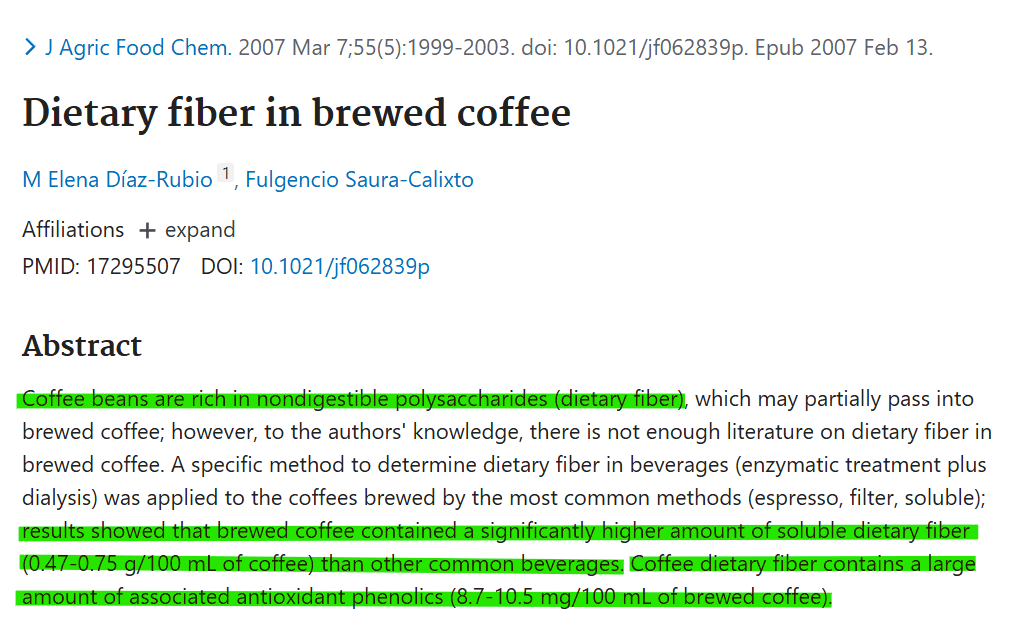
There’s also the fiber.
Yep.
The fiber.
Now, when he told me this, I was a little bit confused.
For me, growing up as a child, this was fiber, miserable breakfast cereal or delicious vegetables, but it was not a cup of coffee.
But it turns out it is a cup of coffee.
A typical cup of filter coffee might have up to two grams of fiber in it, maybe three or more if you’re gonna supersize that thing.
So I think on both polyphenols and fiber, we can say that coffee is good for our gut.
But while we’re in the realm of digestion, we should probably also talk about coffee and GERD, gastroesophageal reflux disease.”
Coffee and GERD
“Online, you’ll find a lot of discussion about coffee and reflux where people are talking about preferring either cold brew or darker roasts because they taste less acidic and therefore don’t seem to trigger the condition.
Some people may be confused by this because stomach acid has a pH of around two, whereas coffee has a pH of around four and a half at its more acidic end.
So stomach acid is about a thousand times more acidic than coffee.
So it seems weird that coffee would trigger something like this.
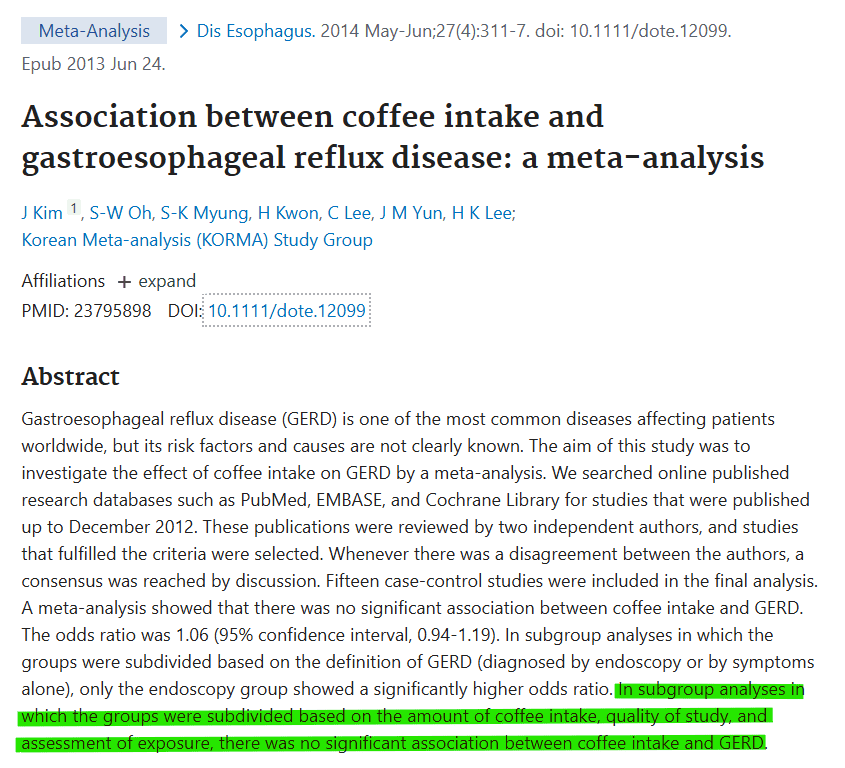
However, the issue is in the esophagus.
And so drinking acidic things can trigger the condition.
It’s not just coffee.
It’s important to note that in all the studies, they found that, yes, there was a triggering effect to coffee, but coffee did not ultimately cause the underlying condition.
It would be something that was exacerbated by coffee drinking but not ultimately caused.
There was an interesting study done comparing the chemistry of hot brewed coffee to cold brewed coffee, and there were a couple important differences.
And, yes, the cold brewed coffee was less acidic in testing than the hot brewed coffee.
Was pretty clear difference there.
But couple of other differences, the cold brew coffee had less antioxidants, less polyphenols in it compared to the hot brew coffee.
And overall, cold brew was considered less chemically diverse.”
Coffee and Cognition
“Coffee does improve another kind of performance too, cognitive performance.
Now it isn’t just that it makes you feel more alert and more awake.
It has some other interesting effects.
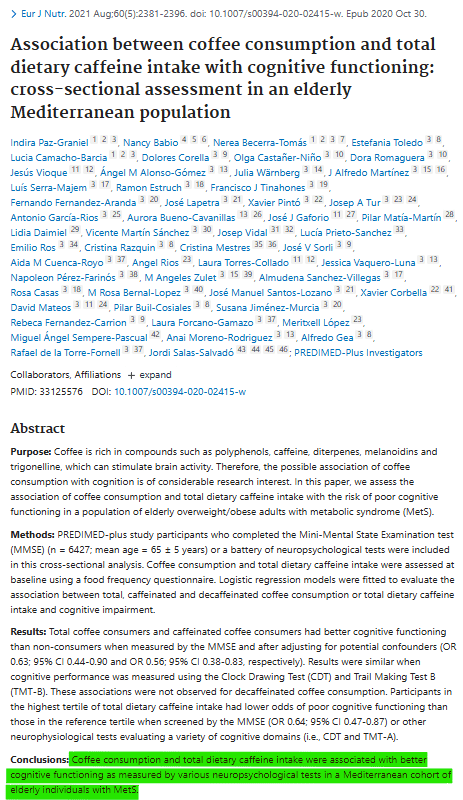
A couple of studies looked at elderly Mediterranean men in the Mediterranean and found that drinking coffee was associated with a lower incidence of mental decline and impairment.
Now there are effects shown through a variety of studies on other diseases too, like Alzheimer’s and Parkinson’s.
There, again, there is an association between drinking coffee and a lower incidence of those diseases.
Now it’s early days and, you know, they’re still learning more, and they do speculate that it’s not just caffeine involved but other compounds in coffee too.
But, again, there’s a lot more work to be done in this particular field.”
Coffee and Cancer
“So now we need to talk about coffee and cancer.
It is an area of concern for people, and, you know, the fear is fueled by tabloid journalism in particular.
I wanna start with acrylamide.
Now acrylamide is a compound that is considered carcinogenic, and it is found in very small quantities in coffee.
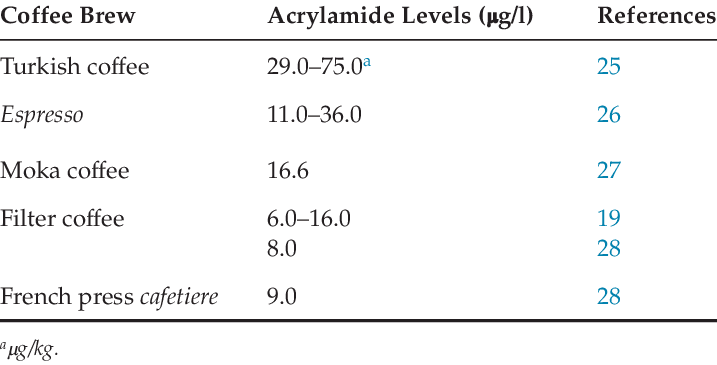
Now the levels found in coffee are very, very, very low, way lower than you’d find in even a portion of French fries.
And not all coffee is considered equal here.
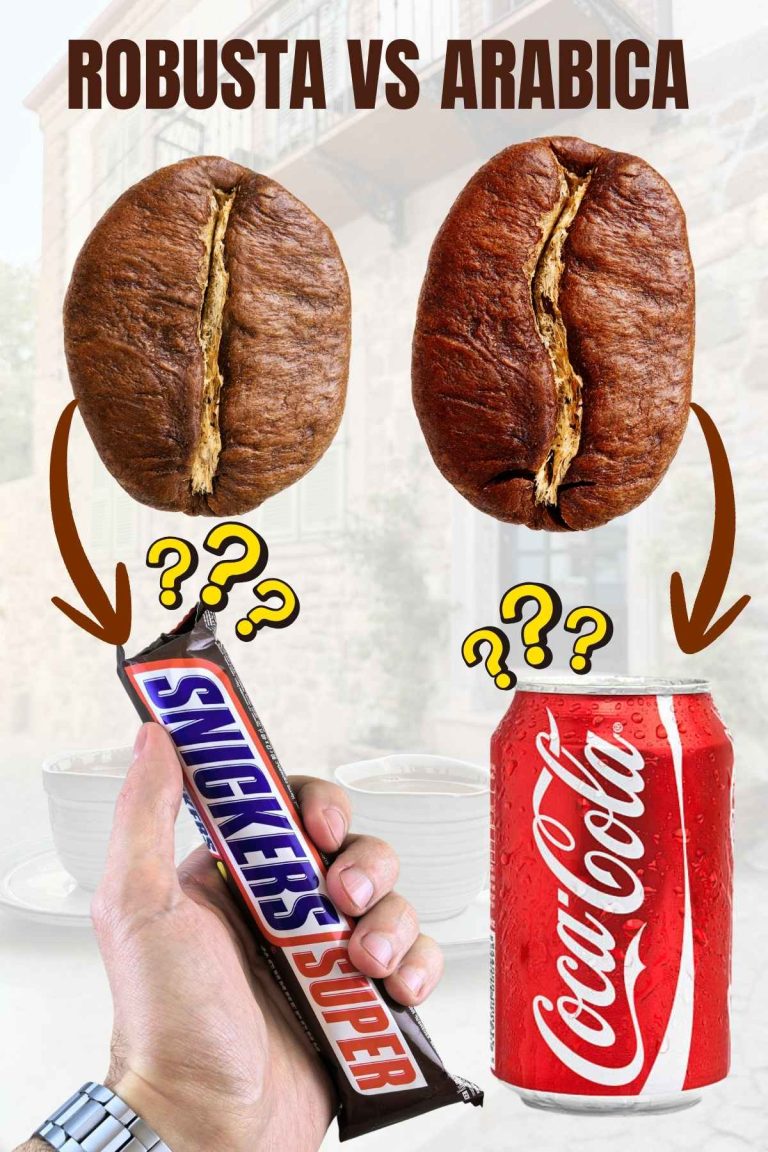
Robusta has higher levels of acrylamide than Arabica.
And interestingly, the darker you roast a coffee, the less acrylamide that it has, unless you take it all the way to kind of burnt and carbonized, in which case, I suspect, higher levels again.
While, again, it is considered a carcinogen, we actually have no real evidence linking dietary acrylamide to higher incidence of cancer.
And because the levels in coffee are so low, I would say it’s not really something at this stage that the world seems particularly concerned about.
But let’s now talk about other cancers. There’s been lots of studies done looking for some sort of relationship between drinking coffee and having a higher incidence of cancer.
And in all the papers I read, that relationship was never found or seen.
In fact, some studies showed a reduced incidence of cancer associated with higher levels of coffee consumption, again, around that three, four cups a day thing.
Now in those studies, a reduction in liver and kidney cancers with coffee consumption popped up a few times, but there’s no real consistent reduction in cancer likelihood associated with coffee drinking that’s common across absolutely everything.
And while I do feel no risk from drinking coffee, it is important to understand the limitations of these studies and the kind of conclusions that we can draw from them.”
Coffee and Mycotoxins
“One more thing while we’re here, and those are mycotoxins.
Now you might have seen some coffee companies out there claiming their coffee is better, is healthier for you because it has very low levels to no levels of mycotoxins.
Well, firstly, what are mycotoxins?
These are toxins produced by mold or fungi.
And as the name suggests, they’re not very good for you, so you should avoid consuming them as they may harm or even kill you.
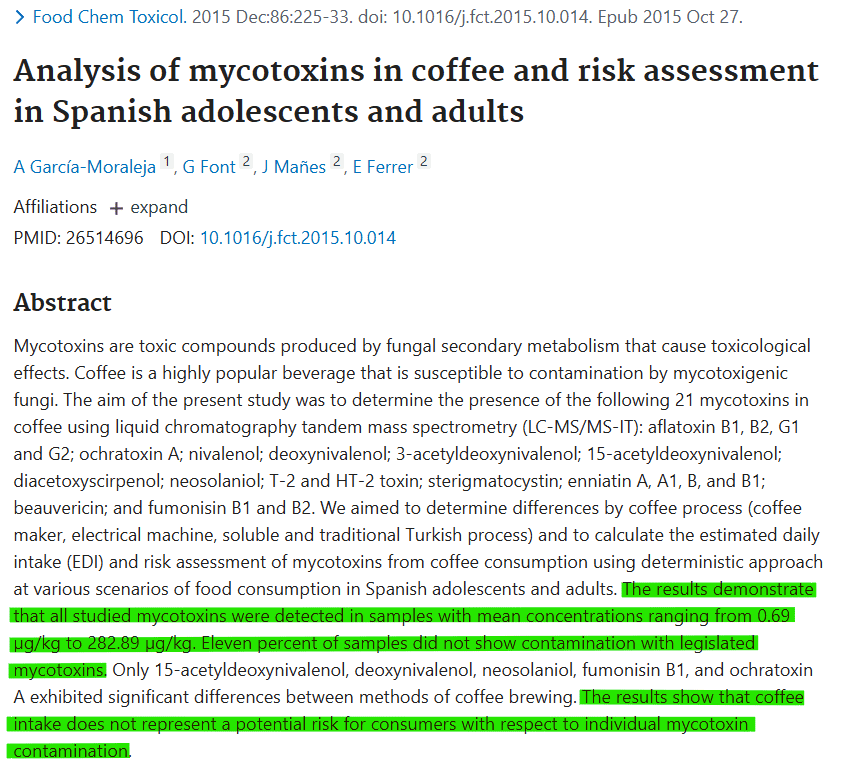
Now they have been found in raw coffee, but in very low levels.
That’s important to remember.
And, again, they have been found at higher levels overall in Robusta than in Arabica, but the levels found in green coffee have considered to be very, very, very low, below the level that would typically cause concern.
One study from Brazil actually looked to see if there was any difference in mycotoxins based on the processing method that you use after harvest, particularly looking at ochratoxin a (Ochratoxin A (OTA) is a mycotoxin produced by certain molds that can be found in coffee beans and is harmful to human health, as it is nephrotoxic (damaging to kidneys) and a potential carcinogen).
And they found there was no variation in the levels of these mycotoxins depending on the different processes used.
In addition, roasting coffee proves incredibly destructive to mycotoxins, reducing their lower levels to extremely low levels.
So despite the various marketing claims, I don’t think it’s something that we should particularly be worrying about.
The good news, I suppose, is that you would expect the lowest levels to be found in specialty coffee where the most care has to be taken all the way from the farm to the cup.
So my advice here is buy coffee that you think is delicious.”
Outro/Wrap Up – “YES COFFEE IS GOOD FOR YOU”
“So let’s wrap it up.
You know, I love making and drinking coffee, and that seems kind of wonderful because what’s the point of a longer healthier life if not to do more of the things that you love?
Coffee feels like a gloriously virtuous circle in that regards.
I guess as a summary, as long as it’s not interfering with your sleep or your anxiety, and you’re drinking it in moderation, then it feels like the answer to the question is yes.
COFFEE IS GOOD FOR YOU, which is a great relief.”
—— JAMES HOFFMANN
Scientific References
Coffee and all cause mortality
– “Coffee consumption and all‐cause and cause‐specific mortality” 10.1007/s10654-019-00524-3
– “Coffee Consumption and Disease Correlations” 10.1080/10408398.2017.1369391
– “Caffeinated and decaffeinated coffee consumption and risk of all-cause mortality” 10.1111/jhn.12633
– “Coffee and tea consumption and mortality from all causes, cardiovascular disease and cancer” 10.1093/ije/dyab161
– “Coffee consumption and cardiovascular diseases and mortality in patients with type 2 diabetes” 10.1016/j.numecd.2021.05.014
– “Coffee consumption and mortality in a 14-year follow-up of an elderly northern Finnish population” 10.1017/S0007114507871650
CHD/CVD
– “Coffee and tea on cardiovascular disease (CVD) prevention” 10.1016/j.tcm.2021.08.004
– “Habitual Coffee Consumption and Risk of Heart Failure” 10.1161/CIRCHEARTFAILURE.112.967299
– “Coffee consumption and risk of coronary heart diseases” 10.1016/j.ijcard.2008.06.051
– “Is caffeine or coffee consumption a risk for new-onset atrial fibrillation?” 10.1177/2047487320908385
Performance
– “The Acute Effect of Various Doses of Caffeine on Power Output and Velocity during the Bench Press Exercise among Athletes Habitually Using Caffeine” :10.3390/nu11071465
– “Caffeine supplementation and peak anaerobic power output” 10.1080/17461391.2014.962619
– “Not Another Caffeine Effect on Sports Performance Study—Nothing New or More to Do?” 10.3390/nu14214696
– “Caffeine and sports performance” 10.1139/H08-130
– “Effect of Caffeine Supplementation on Sports Performance Based on Differences Between Sexes” 10.3390/nu11102313
Sleep
– “Coffee, Caffeine, and Sleep” 10.1016/j.smrv.2016.01.006
– “A naturalistic investigation of the effects of day-long consumption of tea, coffee and water on alertness, sleep onset and sleep quality” 10.1007/s002130000383
– “Dose-related sleep disturbances induced by coffee and caffeine” 10.1002/cpt1976206682
– “The effects of coffee consumption on sleep and melatonin secretion” 10.1016/S1389-9457(02)00015-1
– “The effect of caffeine on subsequent sleep” 10.1016/j.smrv.2023.101764
Impact Of Brewing Method
– “Coffee consumption and mortality from cardiovascular diseases and total mortality: Does the brewing method matter?” 10.1177/2047487320914443
– “Daily Coffee Drinking Is Associated with Lower Risks of Cardiovascular and Total Mortality in a General Italian Population” 10.1093/jn/nxaa365
The Gut/The Microbiome
– “Dietary Fiber in Brewed Coffee” 10.1021/jf062839p
- “Chronic coffee consumption in the diet-induced obese rat: impact on gut microbiota and serum metabolomics” 10.1016/j.jnutbio.2013.12.009
– “Dietary Fiber from Coffee Beverage: Degradation by Human Fecal Microbiota” 10.1021/jf070646b
– “Impact of coffee consumption on the gut microbiota: A human volunteer study” 10.1016/j.ijfoodmicro.2009.01.011
– “Effects of Coffee and Its Components on the Gastrointestinal Tract and the Brain–Gut Axis” 10.3390/nu13010088
– “The content of polyphenols in coffee beans as roasting, origin and storage effect” 10.1007/s00217-019-03388-9
– “Effect of coffee or coffee components on gut microbiome and short-chain fatty acids in a mouse model of metabolic syndrome” 10.1038/s41598-018-34571-9
– “The content of polyphenols in coffee beans as roasting, origin and storage effect” 10.1007/s00217-019-03388-9
GERD (Reflux)
– “Association between coffee intake and gastroesophageal reflux disease: a meta-analysis” 10.1111/dote.12099
– “Acidity and Antioxidant Activity of Cold Brew Coffee” 10.1038/s41598-018-34392-w
– “The role of tea and coffee in the development of gastroesophageal reflux disease” 10.4103/tcmj.tcmj_48_18
– “Effect of Coffee on Gastroesophageal Reflux Disease” 10.3136/fstr.19.1
Cognition
– “The Acute Effects of Caffeinated Black Coffee on Cognition and Mood in Healthy Young and Older Adults” 10.3390/nu10101386
– “Association between coffee consumption and total dietary caffeine intake with cognitive functioning” 10.1007/s00394-020-02415-w
– “Neuroprotective properties of coffee” 10.1016/j.tifs.2021.04.052
– “The Acute Effects of Caffeinated Black Coffee on Cognition and Mood in Healthy Young and Older Adults” 10.3390/nu10101386
Cancer
– “Analysis of acrylamide in coffee and dietary exposure to acrylamide from coffee” 10.1016/j.aca.2004.05.064
– “Acrylamide in coffee” 10.1080/02652030701243119
– “Determination of Acrylamide during Roasting of Coffee” 10.1021/jf073051p
– “Acrylamide in health and disease” 10.2741/s130
– “Coffee and cancer risk, epidemiological evidence, and molecular mechanisms” 10.1002/mnfr.201300526
– “Coffee and cancer: a prospective study of 43,000 Norwegian men and women” 10.1007/BF01694753
– “Epidemiologic Evidence on Coffee and Cancer” 10.1080/01635580903407122
– “Health Benefits of Coffee Consumption for Cancer and Other Diseases and Mechanisms of Action” 10.3390/ijms24032706
– “Coffee consumption and the risk of cancer” 10.1016/j.canlet.2008.08.022
Mycotoxins
– “Effects of Postharvest Processing Methods on the Occurrence of Ochratoxin A and Cupping Quality of Arabica Coffee”
– “Mycotoxins in green coffee” 10.1016/j.foodcont.2018.08.033
– “Analysis of mycotoxins in coffee and risk assessment in Spanish adolescents and adults” 10.1016/j.fct.2015.10.014
Watch Jame’s Hoffmanns Full Video Here: Is Coffee Good for You? And don’t forget to follow His Youtube channel for more amazing coffee videos!
Enjoyed this article so far? Don’t forget to follow our page for more exciting coffee articles like this. Thank you and have a great day!