Arabica Coffee vs Robusta Coffee: Stop Wasting Money on the Wrong Bean

If you’ve ever stood in front of a coffee shelf wondering why some bags proudly say 100% Arabica while others highlight Robusta, you’re not alone. Most people hear that Arabica is “better,” but they don’t really know why, or whether that’s even true for their taste. As someone who loves exploring coffee in all its forms, I think this comparison is worth breaking down in a simple, friendly way. Let’s talk flavor, caffeine, price, and which one might actually fit your daily cup…arabica coffee vs robusta coffee?
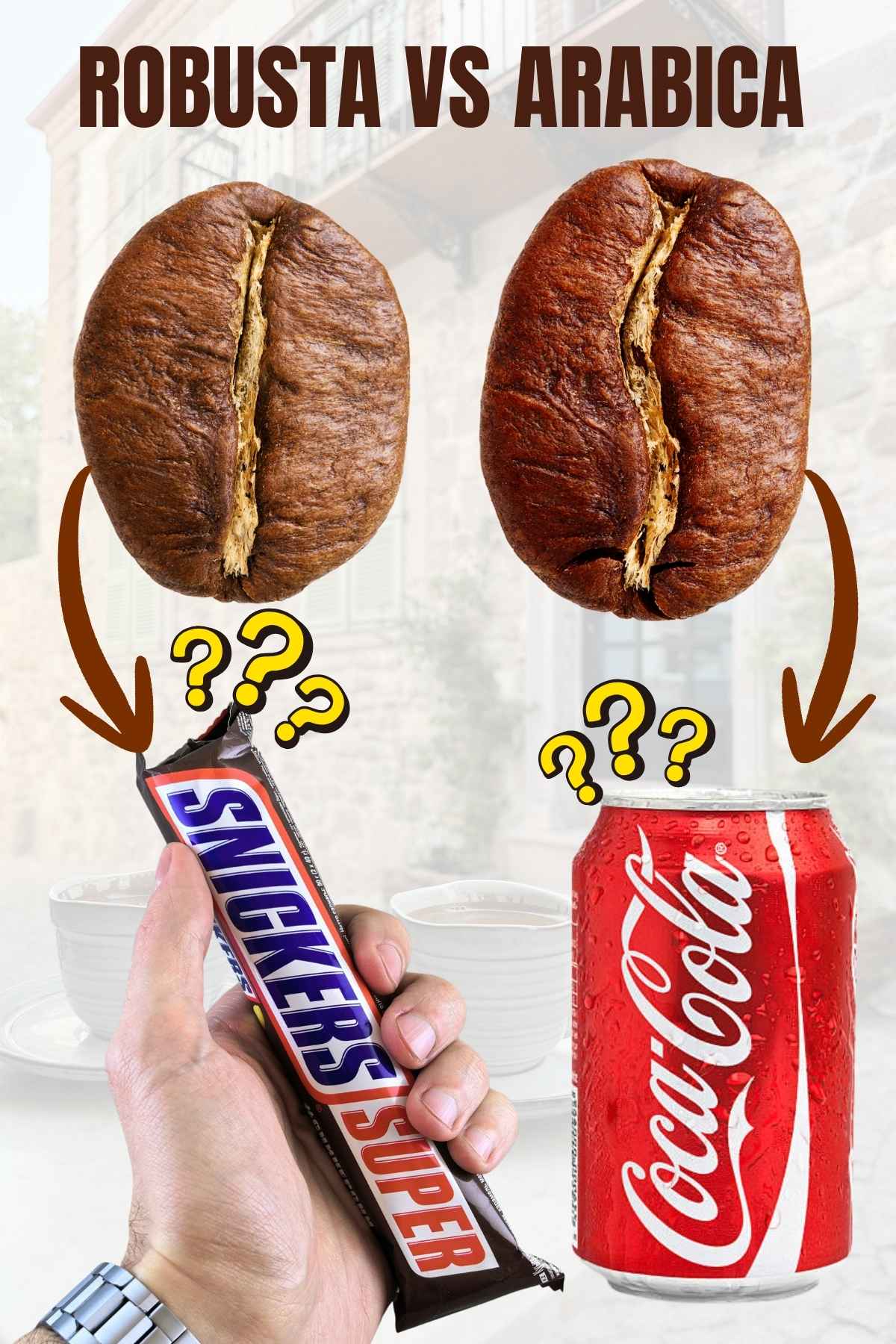
Table of Contents
What Are Arabica and Robusta?
Before we dive into taste, let’s get the basics out of the way.
- Arabica (Coffea arabica) Grown at higher altitudes, more delicate, naturally sweeter, and often considered the “premium” bean. It makes up about 60–70% of the world’s coffee.
- Robusta (Coffea canephora) Hardier plant, grows at lower altitudes, stronger flavor, and almost double the caffeine. Often used in espresso blends, instant coffee, and traditional Vietnamese coffee.
Different plants, different growing conditions — and very different personalities in the cup.
Flavor Profile: Smooth vs Strong
This is where the two beans really show their character.
- Arabica: Smooth, sweet, sometimes fruity or floral. Think chocolate, caramel, berries, or even a hint of citrus. It’s the kind of coffee that feels like a slow Sunday morning.
- Robusta: Bold, earthy, nutty, and more bitter. It has a deeper punch and a heavier body — the kind of coffee that wakes you up fast and doesn’t apologize for it.
If Arabica is a gentle tap, Robusta is a firm tap on the shoulder telling you to get moving.
Caffeine Levels: The Wake‑Up Factor
One of the biggest differences:
- Arabica: Lower caffeine
- Robusta: Almost double the caffeine
That extra caffeine is also why Robusta tastes stronger and more bitter. It’s not just flavor — it’s chemistry.
Price & Quality Differences
Arabica is usually more expensive because:
- It’s harder to grow
- It’s more sensitive to climate
- It yields less
- It’s in higher demand
Robusta grows more easily, produces more cherries, and is more resistant to pests — which makes it cheaper and more accessible.
But cheaper doesn’t mean “worse.” It just means different.
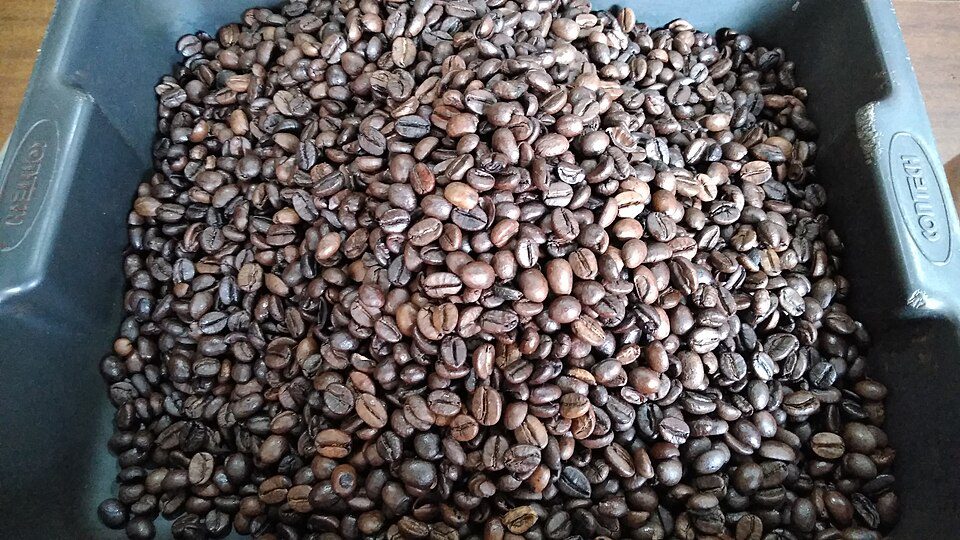
Where to Buy Arabica and Robusta
Finding Arabica and Robusta beans is easier than ever, but knowing where to buy them makes all the difference.
- Local Coffee Shops & Roasters: Many specialty cafés sell their own roasted beans. This is a great way to support local businesses and often guarantees fresher coffee.
- Supermarkets & Grocery Stores: Arabica is widely available in most supermarkets, often labeled as “100% Arabica.” Robusta may be less common, but you’ll find it in blends or instant coffee.
- Online Retailers: Platforms like Amazon offer a wide range of Arabica and Robusta beans, from single‑origin to blends. Online shops also make it easy to compare reviews and prices.
- Specialty Coffee Websites: Dedicated roasters and coffee subscription services often highlight the origin, roast level, and flavor notes, making it easier to choose beans that match your taste.
- International Options: If you’re curious about authentic Robusta, look for Vietnamese or Indonesian suppliers. For Arabica, Ethiopian, Colombian, and Brazilian beans are classics.
Tip: Always check for roast date and origin details. Freshly roasted beans with clear labeling will give you the best brewing experience.
Brewing Recommendations
- Arabica works beautifully for: Pour‑over, cold brew, black coffee, espresso, and anything where you want clean, sweet flavors.
- Robusta shines in: Espresso blends (for crema!), Vietnamese coffee, moka pot, and strong iced coffee. It also holds up well with milk and sugar.
Who Should Choose What?
- Choose Arabica if: You like smooth, sweet, aromatic coffee with layers of flavor.
- Choose Robusta if: You want a bold, strong, high‑caffeine cup that hits fast.
- Choose a blend if: You want the best of both worlds — sweetness from Arabica, crema and strength from Robusta.
Arabica and Robusta Quick History
Arabica traces its roots to Ethiopia and Yemen, spreading through the Middle East and Europe.
Robusta plays a huge role in Vietnamese coffee culture and Italian espresso traditions.
Many iconic espresso blends rely on Robusta for body and crema.
Arabica Coffee vs Robusta Coffee: Quick Comparison Table
| Feature | Arabica | Robusta |
|---|---|---|
| Flavor | Sweet, fruity, chocolatey | Bold, earthy, nutty |
| Caffeine | Lower | Higher |
| Acidity | Higher | Lower |
| Price | More expensive | More affordable |
| Best For | Pour‑over, cold brew, black coffee | Espresso blends, Vietnamese coffee |
| Aroma | Complex, aromatic | Strong, intense |
Is Arabica Coffee and Robusta Coffee Good for You?
Both Arabica and Robusta can be good for you in moderation. Arabica offers smoother flavor with higher antioxidants, while Robusta provides more caffeine and stronger energy boosts. Both support focus, metabolism, and overall alertness, just choose the one that fits your caffeine tolerance and taste. Check out this in depth article to know more about why coffee is good for you.

Final Takeaway
There’s no “better” bean — just the one that fits your taste. If you love smooth, sweet, and aromatic coffee, Arabica will feel like home. If you want something bold, strong, and high‑caffeine, Robusta is your friend. And if you enjoy experimenting, blends can give you a balanced cup that’s both flavorful and powerful.
At the end of the day, coffee is personal. Try both, mix them, brew them differently — and discover the cup that feels like you.
Enjoyed this article so far? Don’t forget to follow our page for more exciting coffee articles like this. Thank you and have a great day!