Complete Guide to Matcha: Tradition, Health, and Modern Uses

The Green Colored Drink That Connects Past and Present: Matcha has become a global phenomenon, appearing in lattes, desserts, and wellness routines everywhere. You can see it on social media, from feeds to stories of your friends or that social media influencer that you’re following.
Yet behind its vibrant green hue lies a story that spans centuries, cultures, and philosophies. This guide explores it’s ancient traditions, its science-backed health benefits, and its modern culinary reinventions, offering you a holistic view of why this powdered tea continues to captivate the world.

Table of Contents
The History: From Ancient China to Global Superfood
I can’t exactly remember the time when I first took a sip of that sweetened matcha latte from a nearby coffee shop, and fr, it is delightful due to the sweetness. Although it wasn’t like that just like the original Matcha tea prepared in a ‘Japanese Tea Ceremony’, but then, it made me wonder, where does it really come from?
It is more than just that vibrant green colored drink that you’re drinking every morning to soothe or relax your mind, it’s a story of centuries, rituals, and cultural meaning. From its ancient roots in China to Japanese tea ceremonies, it embodies mindfulness, artistry, and connection.

Origins in China
Keytakeaways:
- It’s earliest roots trace back to China during the Tang Dynasty (7th–10th century). At this time, tea leaves were steamed, compressed into bricks, and sometimes powdered for easier transport and preparation.
- The practice of grinding tea leaves into powder became more refined during the Song Dynasty (10th–13th century), when whisking powdered tea into hot water was popular among scholars and monks.
- This powdered tea culture laid the foundation for what would later evolve into Japanese matcha.
It only made its way to China in more recent times. Back in ancient China, it wasn’t around, though people did experiment with grinding tea leaves.
During the Tang dynasty (618 to 907), tea leaves were steamed and pressed into bricks so they could be stored and traded more easily. Lu Yu’s The Classic of Tea (written around 760 to 762) describes how tea was prepared back then: first, the compressed tea was roasted over a fire, then ground in a wooden grinder called a niǎn (碾, known in Japanese as yagen). Boiling water was prepared in a pot, salt was added once it reached a boil, and finally the ground tea was stirred in and boiled until it started to foam.1 2
Powdered and compressed teas
In the Song dynasty (960 to 1279), tea culture took a new turn with powdered tea made from steamed and dried leaves becoming all the rage. People would prepare it by whisking the fine tea powder with hot water in a bowl, creating a smooth, frothy drink that was both elegant and enjoyable.3
Even though the word matcha (抹茶) hadn’t been coined yet, the custom of whisking powdered tea is thought to have started in China by the 11th century.
Some of the best‑known mentions of powdered tea come from Cai Xiang’s Record of Tea (1049–1053) and Emperor Huizong’s Treatise on Tea (1107), both written during the Song dynasty (960 to 1279). These texts describe how premium compressed teas, like Lóngfèng Tuánchá (龍鳳團茶, “Dragon and Phoenix Lump Tea”), were prepared: the tea was ground into powder with a metal niǎn, sifted, placed in a bowl, mixed with hot water, and whisked.
The Record of Tea even notes that finer sieves made the powder float, while coarser ones made it sink—showing that the particles were larger than today’s. Traditions from this Song‑era style of tea preparation are believed to live on in ceremonies at Kennin‑ji in Kyoto and Engaku‑ji in Kamakura.4
The tea served to the emperor was often mixed with borneol, a strong aromatic ingredient, and coated with oily flavorings to give it a shiny finish. The downside was that this process masked the tea’s natural fragrance, something Cai Xiang openly criticized.
At the time, the “perfect” tea was thought to be white in color rather than green or brown. Since powdered tea didn’t naturally turn white, people came up with special techniques to lighten it. Tea buds were picked right after sprouting, squeezed over and over, and water was added repeatedly during grinding. There was even a special type of white tea called water buds (水芽), made by removing the leafy part of the sprout and using only the veins as the raw material.5[5a]
Declining usage of compressed tea
Making lump tea during the Song dynasty was no simple task—it demanded a lot of labor, skill, and money, and even the smallest mistake could ruin the batch. Because of this, it was far too costly for everyday people.
Back in the Tang dynasty, the ideal flavor of tea was described as “bitter when sipped and sweet when swallowed” in The Classic of Tea. By the Song dynasty, though, this standard shifted. The new focus was on four qualities: aroma, sweetness, richness, and smoothness, as outlined in the Treatise on Tea. This change reflected an effort to mask tea’s natural bitterness.
The result was a product that was both complicated and expensive, and many scholars believe this played a role in lump tea’s quick decline after the Ming dynasty.[5b]
In 1391, Emperor Zhu Yuanzhang of the Ming dynasty put an end to the production of compressed tea. His decree marked the shift away from the old tradition and paved the way for a new style of tea preparation—steeping loose leaves in hot water, much like how tea is made today.
Shen Defu’s Wanli ye huo bian (Unofficial Gleanings of the Wanli Era) records that, early in the Ming dynasty, teas from across China were presented to the emperor, with Jianning and Yángxiàn teas being especially prized. At that time, the Song dynasty method was still in use: tea was ground, kneaded with a medicine grinder, and shaped into lóngtuán (龍團, “dragon lumps”), both large and small. But in September of the 24th year of Hongwu, the emperor abolished this practice, saying it placed too heavy a burden on the people. From then on, only fresh tea buds were to be plucked and offered at court.6[6a]
When compressed tea was banned in China, the powdered tea that went along with it also faded out of use.
Japan, on the other hand, kept the tradition alive. With innovations like growing tea leaves under shade (覆下栽培) and refining the process through stone‑milling, Japan gradually developed what we now recognize as matcha. Over time, this style of tea became deeply intertwined with Japanese aesthetics and cultural values, shaping the unique matcha tradition that continues today.7
Some historians suggest that the Ming dynasty’s strong focus on agriculture and its military‑driven values shaped attitudes toward tea. Since the Hongwu Emperor himself had come from humble beginnings, he may have looked down on the ornate and refined traditions surrounding compressed tea, seeing them as unnecessary or even wasteful.8
Arrival in Japan
In the late 12th century, Zen Buddhist monks brought powdered tea from China to Japan. Within monasteries, matcha became central to meditation practices, sustaining long hours of focus and calm. Its dual effect—energizing yet grounding—made it a perfect companion for spiritual discipline and mindfulness.
History in Japan
Keytakeaways:
- In the late 1100s, Zen Buddhist monk Eisai traveled to China, studied Chan (Zen) Buddhism, and brought tea seeds and powdered tea practices back to Japan.
- Eisai emphasized tea’s role in meditation, writing Kissa Yojoki (“Drinking Tea for Health”), which described tea’s benefits for focus and longevity.
- Matcha became closely tied to Zen monasteries, where monks used it to maintain alertness during long meditation sessions.
In Japan, matcha took on a special role in Zen monasteries and was treasured by the upper classes between the 14th and 16th centuries. Before that, up until the 13th century, tea leaves were ground using a tool called a yagen (薬研), which produced a powder that was fairly rough in texture. Things changed in the 14th century when a stone mill designed specifically for tea was introduced. This innovation created a much finer powder and greatly improved the overall quality.9
For a long time, people thought that the practice of shading tea plants with straw or reeds started in Japan during the late 16th century. The Portuguese missionary João Rodrigues Tçuzu, who arrived in Japan in 1577, even described shaded cultivation in his 1604 book History of the Japanese Church (Historia da Igreja do Japão). More recent soil studies of Uji tea fields, however, reveal that this technique was already in use by the first half of the 15th century at the latest. 10
This shading method, first meant to shield young tea sprouts from frost, ended up giving rise to a uniquely Japanese style known as tencha. The leaves produced under shade were a vivid green and carried a distinctive aroma and flavor. Because sunlight was limited, photosynthesis slowed down, which stopped the natural conversion of theanine—the compound that delivers umami—into tannins, the source of bitterness and astringency. Thanks to this, the tea leaves held onto a richer umami taste.11
Shading the tea plants also boosts the chlorophyll levels in the leaves, giving them an especially vivid green color.12
The Oldest Matcha Brand
13The oldest brand on record is Baba Mukashi (祖母昔, which means “grandmother’s old days”). The name “grandmother” points to Myōshūni (妙秀尼, d. 1598), the daughter of Rokkaku Yoshikata and wife of Kanbayashi Hisashige. Tokugawa Ieyasu fondly called her “Baba” and admired her skill in preparing tea. He often enjoyed the tea she made, and the one that was crafted in her style eventually became known as Baba Mukashi, later served to the shogun himself.
Back then, it wasn’t shipped as powder but in tea jars packed with tencha (unground tea leaves). Once the jars arrived, the leaves would be ground into matcha using a tea grinder. The grand procession of carrying these jars from Uji to Edo (modern‑day Tokyo) for the shogun was known as the Ochatsubo Dōchū, or “tea jar journey.”14

Fun Fact: Did You Know Matcha Was the Samurai’s Pre-Battle Drink?
- Introduced by monks: Zen monks, who used it to stay alert during meditation, shared it with samurai.
- Energy & endurance: Samurai drank it before battle because its caffeine and L-theanine combination provided sustained energy and mental clarity.
- “Alert yet calm”: This paradoxical state—energized but composed—was ideal for warriors heading into combat.
- Cultural prestige: It wasn’t just fuel; it became a symbol of discipline, mindfulness, and status among Japan’s elite.
The Japanese Tea Ceremony
In the 16th century, tea master Sen no Rikyū formalized the Japanese tea ceremony (chanoyu), elevating it’s preparation into an art form.
The ceremony emphasized harmony, respect, purity, and tranquility—values deeply embedded in Japanese culture.
I was no longer just a drink; it became a ritual of mindfulness, aesthetics, and social connection.
Decline and Resurgence
Over time, it’s popularity waned in Japan as loose-leaf sencha became more common. However, matcha retained its ceremonial importance and was preserved in cultural traditions.
In the 21st century, this green powder experienced a global resurgence, driven by interest in wellness, antioxidants, and culinary innovation.
Modern Matcha Culture
Today, it is celebrated worldwide in diverse forms: lattes, smoothies, pastries, and even savory dishes. Its health benefits—rich in catechins, L-theanine, and antioxidants—have made it a staple in wellness communities.
Despite its modern versatility, it continues to embody centuries of tradition, bridging ancient rituals with contemporary lifestyles.
Health Benefits of Matcha15
Unlike steeped tea, matcha involves consuming the entire powdered leaf, making so nutritious. This vibrant green tea has been celebrated in Japanese culture for centuries, and today it’s prized worldwide for its unique balance of energy, calm, and wellness.
Does matcha have caffeine?
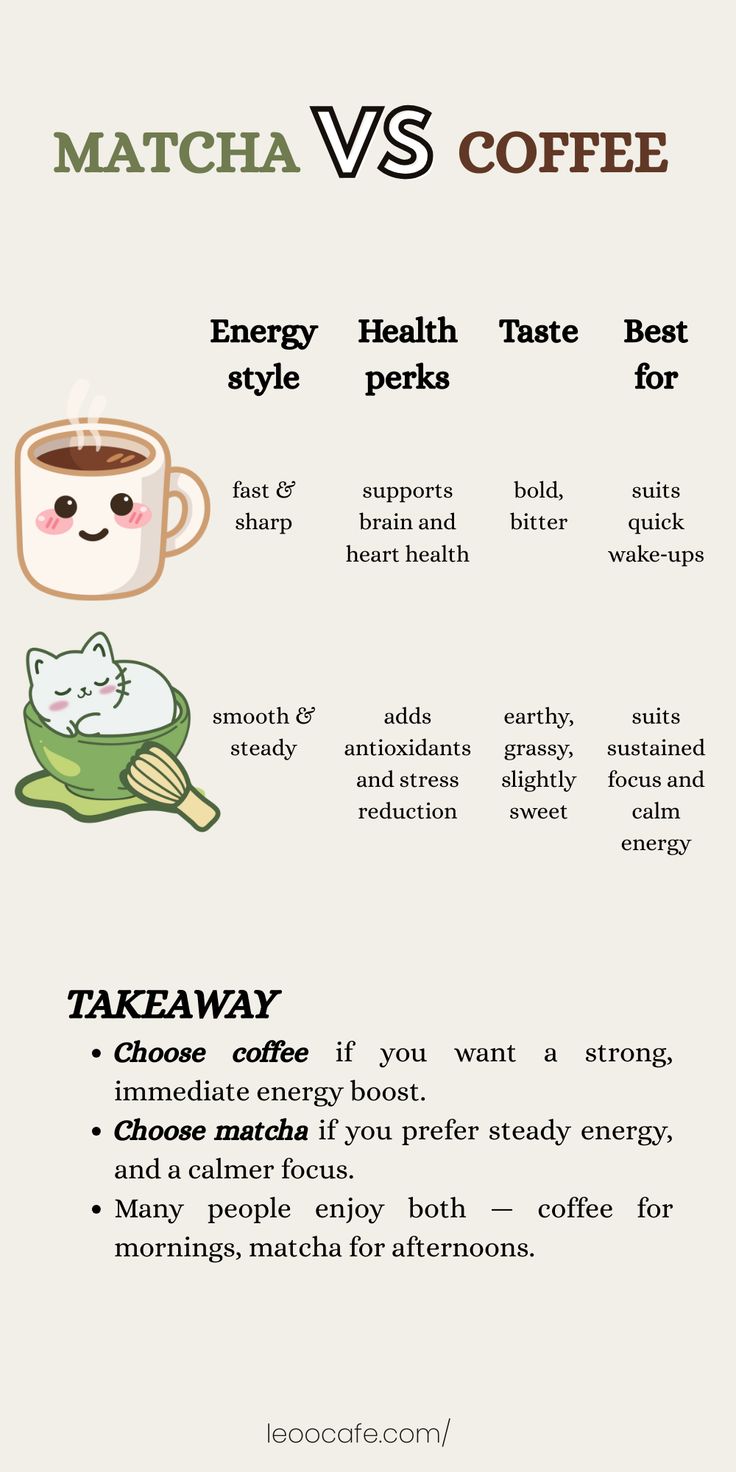
Matcha has a relatively high caffeine content compared to other green teas, which gives it a unique aroma and flavour. The content of caffeine in green teas was found to fall within the range of 11.3–24.67 mg/g, while in matcha it amounted to between 18.9 and 44.4 mg/g. For the sake of comparison, most coffee beans will contain 10.0–12.0 mg caffeine/g of beans.15
Key Benefits
- Rich in Antioxidants: Matcha is loaded with catechins, especially EGCG (epigallocatechin gallate), which help neutralize free radicals and protect cells from damage.
- Supports Calm Focus: Thanks to its high L‑theanine content, matcha promotes relaxation while working with caffeine to create steady, focused energy.
- Boosts Cognitive Function: Studies suggest EGCG and caffeine together may improve clarity, memory, and protect against age‑related decline.
- Anti‑Inflammatory Properties: Catechins and phenolic acids help reduce inflammation, supporting overall wellness and lowering risks tied to chronic conditions.
- Heart Health: EGCG has been shown to protect the cardiovascular system by reducing oxidative stress and supporting healthy blood vessels.
- Metabolic Support: Compounds like EGCG and quercetin may help regulate blood sugar, improve insulin sensitivity, and support healthy metabolism.
- Immune & Antiviral Potential: Early research indicates matcha’s catechins may help the body fight off certain viruses, including promising activity against SARS‑CoV‑2.
- Skin & Anti‑Aging Benefits: Chlorophyll and vitamin C contribute to skin health, while antioxidants slow down oxidative stress linked to aging.
Why It Stands Out
Unlike regular green tea, matcha delivers higher levels of caffeine, catechins, and chlorophyll because you’re consuming the whole leaf. This makes it a more potent source of health‑promoting compounds compared to steeped teas.
Matcha Classifications
Classification in the Modern Day Vs The Japanese Classification
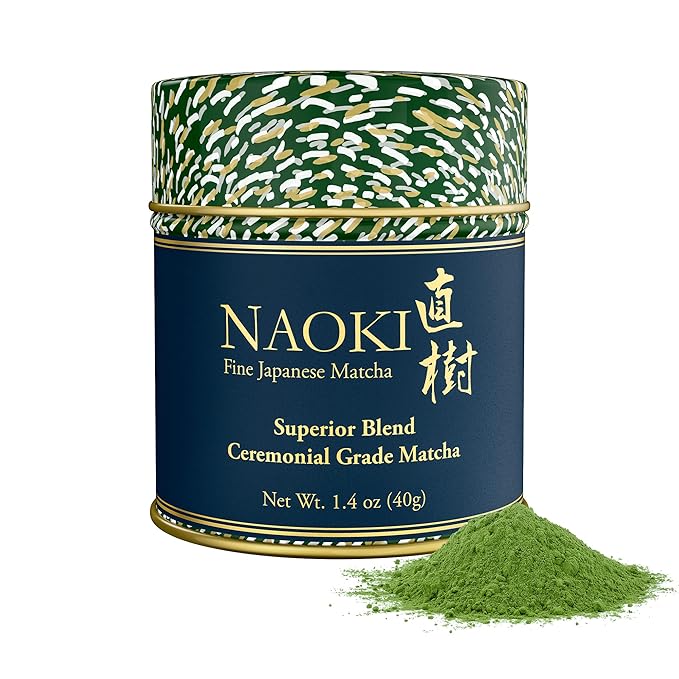
According to a Business Insider report, matcha Drinkers in the US, Europe, Asia, and other parts of the world think about the tea in two categories: Culinary grade, the lower version, and Ceremonial grade—the higher quality one.
But in Japan, the traditional classifications we’re completely different. It is based on how tea is served during a ‘Japanese Tea Ceremony’, also known as ‘Chanoyu’.
The Japanese Matcha Classification
In Japan, there the 2 classifications—‘Koicha’ and ‘Usucha’
‘Koicha’ is the tea served in the beginning. It is the main part of a ‘Japanese Tea Ceremony’ and is made by higher-grade matcha17,18,19. It has a consistency like that of a thick soup — it is thick and viscous.
‘Usucha’ on the other hand is served at the end of the ceremony. It is served with more water, which creates a lighter, less viscous drink when compared to Koicha. We can think of Usucha as the more informal, and more relaxed part of a ‘Japanese Tea Ceremony.’20,21
Modern Uses of Matcha
It has leapt from traditional tea bowls into kitchens, cafés, and wellness industries worldwide. Today, it’s not only a drink but a versatile ingredient and cultural symbol bridging East and West, tradition and innovation.
Coffeehouse Staples
These staples have become icons in modern cafés, often paired with plant-based milks for a wellness-forward twist.
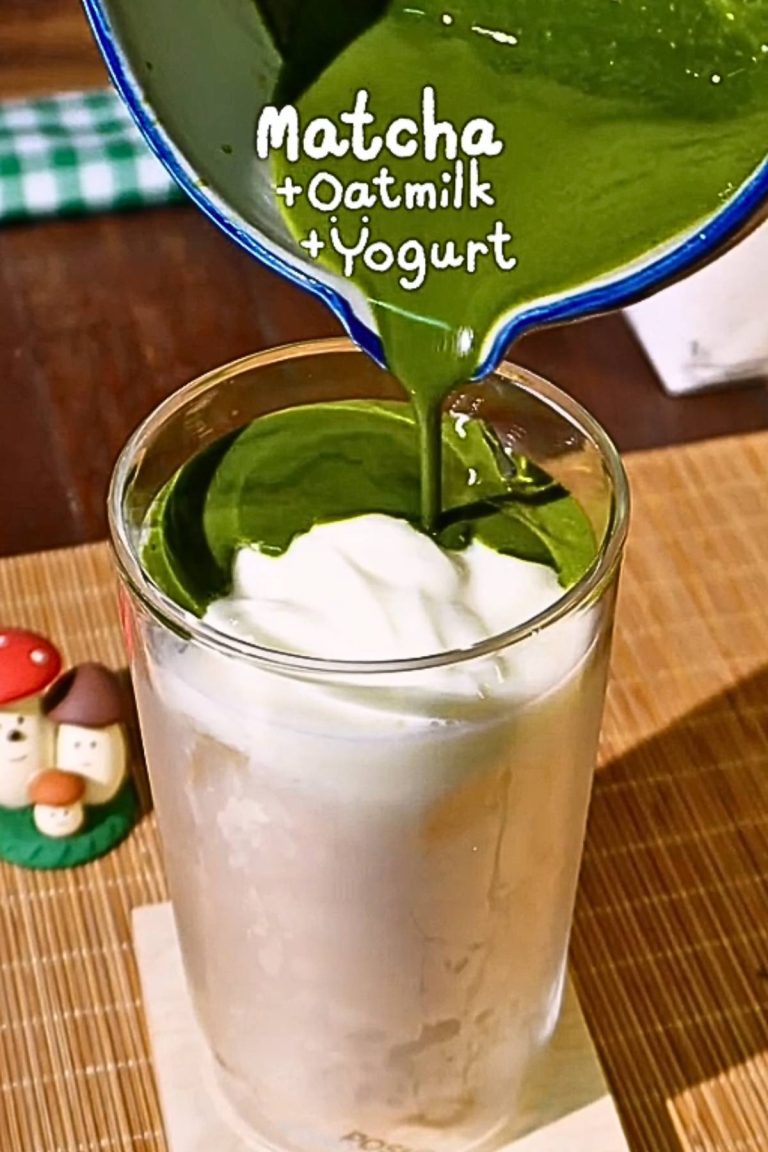
- Matcha Latte: A creamy blend of matcha, milk, and sweetener, offering a soothing alternative to coffee.
- Iced Matcha: Refreshing and energizing, perfect for warm days and summer menus.
- Matcha Shots: Concentrated servings for quick energy boosts, popular among busy professionals and athletes.
Culinary Creativity
Chefs and home cooks alike use it to balance sweetness with subtle bitterness, creating dishes that are both indulgent and sophisticated.
- Desserts: Matcha cheesecakes, cookies, ice cream, and tiramisu add a vibrant green hue and earthy flavor.
- Savory Dishes: Matcha salt for tempura, noodles, or even-infused sauces bring depth to traditional recipes.
- Fusion Recipes: It is flavored on croissants, pancakes, and smoothies showcase its adaptability in global kitchens.
Wellness Products
Its reputation as a superfood makes it a staple in the wellness industry, appealing to health-conscious consumers worldwide.
- Supplements & Shakes: It is combined in powders which are then blended into protein shakes, energy bars, and wellness supplements.
- Skincare: Beauty brands harness it’s antioxidant and anti-inflammatory properties in masks, cleansers, and creams.
Cultural Fusion
Global chefs experiment it with cocktails, salad dressings, and even craft beers, and many more pushing boundaries of flavor. Its versatility allows it to blend seamlessly into diverse cuisines, from French patisserie to modern mixology
In this way, it becomes a bridge between cultures, honoring tradition while embracing innovation.
Matcha in Global Culture
From ancient tea ceremonies to modern cafés and Instagram feeds, it has become a worldwide cultural icon. Its journey reflects both tradition and innovation, making it a symbol of mindful living and aesthetic wellness. Japan
In Japan, it remains deeply tied to tea ceremonies (chanoyu), where it is revered as a cultural treasure.
The ceremony embodies principles of harmony, respect, purity, and tranquility, elevating it beyond a drink into a spiritual practice.
United States & Europe
Matcha in cafés thrive in urban centers, appealing to wellness-conscious consumers seeking alternatives to coffee. The matcha latte has become a staple, often paired with plant-based milks and natural sweeteners.
Beyond cafés, it is embraced in culinary innovation—appearing in desserts, smoothies, and even cocktails.
Southeast Asia
It also blends seamlessly with tropical flavors, creating vibrant fusions like matcha mango smoothies or with coconut desserts. Local chefs and cafés experiment with it in refreshing ways, reflecting the region’s love for bold, colorful tastes.
This fusion highlights it’s adaptability across climates and cultures.
Social Media Influence
Platforms like Instagram and Tiktok showcase its striking green hue in photogenic recipes and latte art. It has become a visual symbol of wellness, often paired with minimalist aesthetics and mindful living content.
Its shareability has fueled global popularity, turning it into both a culinary trend and a lifestyle statement.
The Matcha Trend: The Power of Social Media
It’s global rise reflects the power of social media influencers, whose photogenic recipes and wellness narratives have turned this ancient tea into a cultural phenomenon.
The Power Of Instagram, Facebook, TikTok, and other Social Media platforms
Platforms like Instagram, Facebook, and TikTok showcase it’s in photogenic forms—swirling lattes, pastel desserts, and minimalist flat lays. Its striking color makes it instantly recognizable, turning every cup or dish into a shareable moment.
It has now become a visual symbol of wellness, often paired with clean, calming aesthetics.
Viral Recipes & Trends
Dalgona-style whipped matcha, layered iced lattes, and smoothie bowls frequently trend online. Food bloggers and influencers experiment with it in cookies, pancakes, and even cocktails, sparking viral recipe waves. These creative spins keeps it fresh and exciting for younger audiences.
Lifestyle Branding
Beyond food, it is also marketed as part of a mindful, balanced lifestyle. Influencers highlight it as moments of calm, aligning with themes of self-care, wellness, and slow living. Posts often emphasize sustainability and tradition, connecting modern consumers to it’s cultural roots.
Global Community
Social media has transformed it into a global conversation, bridging cultures and inspiring experimentation. From Tokyo tea houses to New York cafés, matcha content circulates worldwide, reinforcing its role as both a heritage drink and modern trend.
Online communities celebrate it not only for its taste but also for its symbolism of balance, beauty, and mindfulness.
Digital Symbolism
Matcha’s social media presence has elevated it from a traditional tea to a cultural icon of wellness and aesthetics. Each post, recipe, and ritual shared online contributes to its identity as more than a beverage—it’s a lifestyle, a philosophy, and a trend that continues to inspire across borders.
The Matcha Trend: The Influence of Chains like Starbucks
When it first entered Western markets, its naturally grassy, slightly bitter flavor was unfamiliar to many consumers. Large coffee chains, especially Starbucks, played a pivotal role in transforming it from a niche wellness drink into a global café staple. And I’m pretty sure everyone knows the famous “Starbucks matcha iced latte” which you can definitely see on social media feeds and stories from one of the social media influencers that you’re following.
- Sweetened blends for accessibility: Starbucks introduced matcha lattes made with their pre-sweetened matcha powder. By balancing the earthy notes with sugar and milk, they created a flavor profile that appealed to a wider audience.
- Flavor fusion: Seasonal offerings—like iced matcha lattes with vanilla or matcha frappuccinos—helped consumers associate matcha with indulgence and comfort, rather than austerity.
- Visual appeal: The vibrant green color of matcha drinks quickly became a social media favorite, fueling Instagram and Pinterest trends.
- Gateway to tradition: While purists may critique the sweetened versions, these adaptations introduced millions of people to matcha. Many later sought out higher-quality ceremonial-grade matcha, fueling demand in specialty cafés and online shops.
- Market impact: Starbucks’ global reach normalized matcha as part of everyday café culture, accelerating its adoption in North America, Europe, and beyond.
Starbucks didn’t just sell matcha—they reshaped its image. By making it sweet, fun, and photogenic, they turned it into a lifestyle product. This paved the way for it to thrive in both wellness circles and mainstream café menus, bridging tradition with modern consumer tastes.
Famous Matcha Recipes in the Modern Day
Matcha has leapt from tea bowls into kitchens worldwide, inspiring chefs, baristas, and home cooks to experiment with its vibrant color and earthy flavor. Here are some of the most popular recipes that define matcha’s modern culinary fame:
Matcha in
1. Latte‘s
- The ultimate café classic, blending matcha powder with milk (dairy or plant-based) and a touch of sweetness.
- Starbucks and specialty cafés helped make this drink iconic, turning it into a global wellness staple.
2. Ice Cream
- A Japanese dessert favorite that has gone international.
- Creamy, slightly bitter, and refreshing—often paired with red bean paste or mochi.
3. Cheesecake
- A fusion dessert that balances the richness of cream cheese with matcha’s earthy notes.
- Popular in bakeries from Tokyo to New York.
4. Smoothies & Bowls
- Blended with fruits like banana, mango, or berries for a nutrient-packed breakfast.
- Instagram-worthy smoothie bowls often feature matcha as the star ingredient.
5. Cookies & Brownies
- Matcha adds a unique twist to classic baked goods.
- White chocolate pairs especially well with matcha, creating a sweet-bitter balance.
6. Pancakes & Waffles
- Weekend brunch favorites, often topped with berries, syrup, or whipped cream.
- Their vibrant green hue makes them visually irresistible.
7. Tiramisu
- A modern Japanese-Italian fusion dessert.
- Layers of matcha-soaked sponge and mascarpone cream create a sophisticated twist on the classic tiramisu.
8. Energy Balls & Protein Bars
- Popular in the wellness community for quick, antioxidant-rich snacks.
- Often combined with oats, nuts, and dates for a portable superfood boost.
Matcha and the Wellness Economy
Market Growth
- The global matcha market size in 2025 is estimated at USD 3.37 billion.
- Future Market Insights projects the matcha market to grow from USD 3.37 billion in 2025 to USD 6.71 billion by 2035, at a CAGR of 7.1%
- Mordor Intelligence forecasts the market to expand from USD 3.67 billion in 2025 to USD 6.22 billion by 2030, reflecting a CAGR of 6.56%
- Culinary-grade matcha dominates the market, holding 56.2% share in 2025, thanks to its versatility in beverages, bakery, and confectionery.
Economic Impact
Matcha’s vibrant green color and cultural heritage make it highly marketable on social media platforms like Instagram and Pinterest, fueling lifestyle branding.
Its rise aligns with the $1.5 trillion global wellness economy, where consumers prioritize holistic health, sustainability, and authenticity.
Article References
- Lu, Yu. “五之煮” [5]. 茶經 [The Classic of Tea] (in Chinese) ↩︎
- Han Wei, “Tang Dynasty Tea Utensils and Tea Culture: Recent Discoveries at Famen Temple”, in Chanoyu Quarterly no. 74 (1993) ↩︎
- Tsutsui Hiroichi, “Tea-drinking Customs in Japan”, paper in Seminar Papers: The 4th International Tea Culture Festival. Korean Tea Culture Association, 1996. ↩︎
- Fukumochi, Masayuki. “京都の無形文化財としての建仁寺四頭茶礼” [Kennin-ji’s Yotsugashira Charei as an Intangible Cultural Property of Kyoto] (PDF). “Kankō & Tourism”, the journal of the Osaka University of Tourism (in Japanese). Archived (PDF) from the original on 12 August 2024. Retrieved 27 January 2024. ↩︎
- (a)(b) Téng, Jūn (1993). 茶文化の思想的背景に関する研究 [Study on the ideological background of tea culture] (Thesis) (in Japanese). 神戸大学. doi:10.11501/3078362. Archived from the original on 26 January 2024. Retrieved 27 January 2024. ↩︎
- (a) Shen, Defu. “補遺一” [Addendum 1]. 萬曆野獲編 [Unofficial Gleanings of the Wanli Era] (in Chinese) – via Wikisource. ↩︎
- Heiss, Mary Lou; Heiss, Robert J. (2007). “A Brief History of Tea”. The Story of Tea: A Cultural History and Drinking Guide. New York: Ten Speed Press. ISBN 978-1-60774-172-5. ↩︎
- Chin, Shunshin (1992). 茶の話——茶事遍路 [Tale of Tea: Chaji Pilgrimage]. Asahi Bunko (in Japanese). The Asahi Shimbun Company. pp. 90–100. ISBN 4-02-260705-X. ↩︎
- Sawamura, Shinʼichi (2011). “中世以前の抹茶の粒度と味” [Particle Size and Taste of Matcha Produced before the Middle Ages]. Journal of Cookery Science of Japan (in Japanese). 44 (3). The Japan Society of ↩︎
- Inoue, Yuzuru; Nakao, Atsushi; Yauchi, Junta; Sase, Takashi; Konishi, Shigeki (2019). “京都府宇治市の茶園土壌を用いた覆下栽培の発祥時期の推定” [Estimation of the age of establishment of the traditional shaded cultivation system in a tea plantation in Uji, Kyoto, Japan using soil analysis and 14C dating]. Japanese Journal of Soil Science and Plant Nutrition (in Japanese). 90 (6). Japanese Society of Soil Science and Plant Nutrition: 424–432. doi:10.20710/dojo.90.6_424 ↩︎
- Ishigaki, Kozo (1981). “お茶の化学成分,味・香りと茶樹の栽培” [Chemical constituents of tea, taste and flavor and cultivation of tea plants]. Chemistry and Biology (in Japanese). 19 (5). The Japanese Society of Agricultural Chemistry: 278–285. doi:10.1271/kagakutoseibutsu1962.19.278. Archived from the original on 28 January 2024. Retrieved 28 January 2024. ↩︎
- Yoshida, Hiroyuki; Inuzuka, Masami; Fuchinoue, Hiroko; Shimoda, Michiko; Nomura, Setsuko; Watanabe, Hiroshi (1959). “かぶせ茶の原葉生産に関する基礎的研究(第1報)” [Basic Studies on the Production of Covered Tea Leaves (1st Report)]. Tea Research Journal. 1959 (13): 30–38. doi:10.5979/cha.1959.30. ↩︎
- Tokugawa, Yoshinobu (10 October 1982). 二通の徳川家康筆 茶壺覚書 [Two letters from Tokugawa Ieyasu: Memorandum about tea jars]. Kobijutsu (Antique) (in Japanese). No. 64. Sansaisha. pp. 82–89. doi:10.11501/6063359. Archived from the original on 31 January 2024. Retrieved 24 February 2024. ↩︎
- Munehide, Tokugawa (31 May 2013). 徳川某重大事件 [A certain serious incident in the Tokugawa] (in Japanese). PHP Research Institute. p. 99. ISBN 9784569811482. ↩︎
- Kochman, J., Jakubczyk, K., Antoniewicz, J., Mruk, H., & Janda, K. (2020). Health benefits and chemical composition of matcha green tea: a review. Molecules, 26(1), 85. https://doi.org/10.3390/molecules26010085 ↩︎
- Kochman, J., Jakubczyk, K., Antoniewicz, J., Mruk, H., & Janda, K. (2020). Health benefits and chemical composition of matcha green tea: a review. Molecules, 26(1), 85. https://doi.org/10.3390/molecules26010085 ↩︎
- Anderson, Jennifer Lea (1 January 1991). An Introduction to Japanese Tea Ritual. SUNY Press. p. 187. ISBN 978-0-7914-0749-3. ↩︎
- Gaylard, Linda (7 July 2015). The Tea Book: Experience the World’s Finest Teas, Qualities, Infusions, Rituals, Recipes. Penguin. ISBN 978-1-4654-4571-1. ↩︎
- Gaylard, Linda (7 July 2015). The Tea Book: Experience the World’s Finest Teas, Qualities, Infusions, Rituals, Recipes. Penguin. ISBN 978-1-4654-4571-1. ↩︎
- “濃茶(こいちゃ)と薄茶(うすちゃ)の違いとは?知られざる抹茶の世界 | CHANOYU”. www.e-cha.co.jp (in Japanese). 30 September 2023. Retrieved 12 December 2024. ↩︎
- 橋本城岳 (6 September 2018). “濃茶と薄茶の違いや入れ方を動画と写真で解説!茶道の抹茶碗の違いも説明”. 抹茶碗 (in Japanese). 京焼窯元. Archived from the original on 13 December 2024. Retrieved 12 December 2024. ↩︎