Curious About Matcha Grades? Difference Between Ceremonial, Premium, and Culinary

If you’ve ever browsed online or in a tea shop, you’ve probably seen labels like Ceremonial Grade, Premium Grade, or Culinary Grade. And if you’re wondering what those grades actually mean, and which one you should buy, this guide will help you differentiate those different matcha grades. Let’s break it down in a simple, friendly way so you can pick the matcha that fits your lifestyle.
Table of Contents
Ceremonial Grade Matcha 🌱
This is the highest quality matcha, made from the youngest shade‑grown leaves harvested in spring. It’s vibrant, bright green, and has a naturally sweet, smooth flavor with delicate umami notes.
- Color: Bright, vivid green
- Flavor: Smooth, sweet, umami, no bitterness
- Use: Traditional tea ceremonies, drinking straight with water
- Price: $$$ (most expensive)
Think of ceremonial grade as the “Rolls Royce” of matcha, the highest quality one. Perfect when you want the purest experience.

Premium / Daily Grade Matcha 🌿
Premium grade sits right in the middle. It’s still high quality, but slightly less refined than ceremonial. The flavor is balanced — vegetal, smooth, and versatile.
- Color: Bright green, though not as vivid as ceremonial
- Flavor: Balanced, slightly grassy, smooth enough for daily drinking
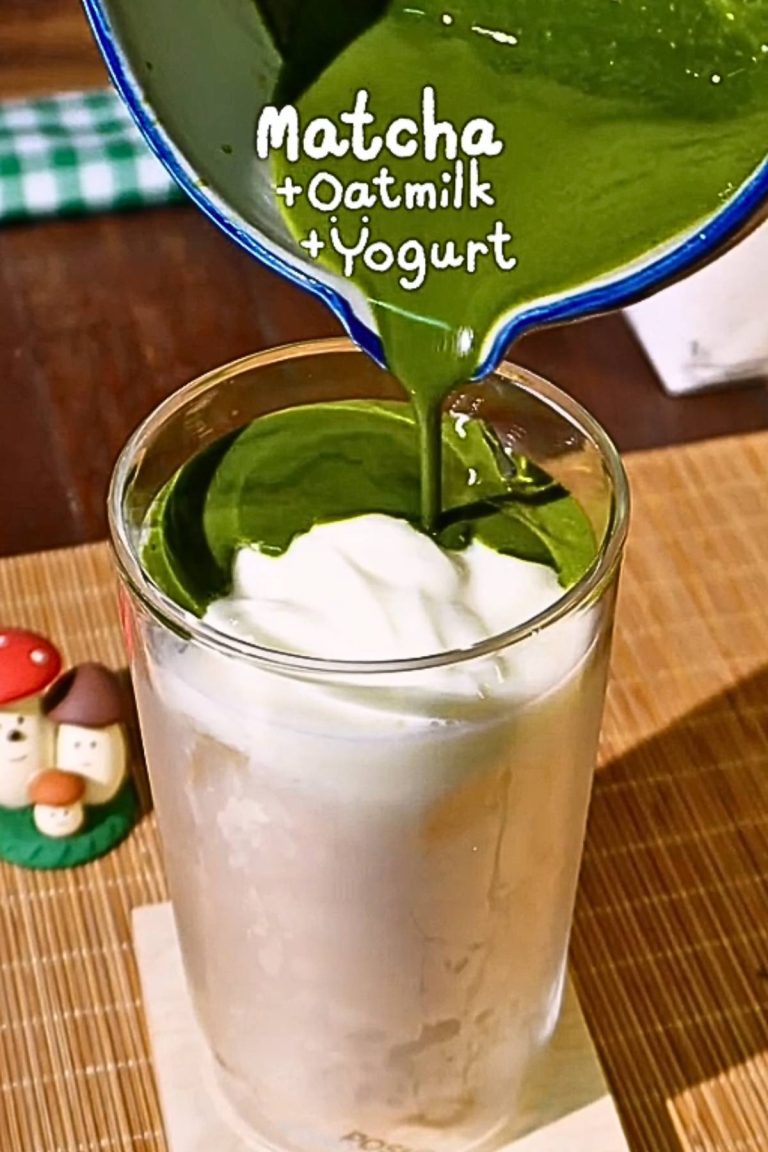
- Use: Matcha lattes, smoothies, everyday tea sessions
- Price: $$ (moderate)
This is the matcha most people enjoy daily. It’s affordable, tasty, and flexible — whether you whisk it traditionally or blend it into a latte.

Culinary / Ingredient Grade Matcha 🍰
Culinary grade is designed for cooking and baking. It’s made from older leaves, so the flavor is stronger and more robust.
- Color: Duller green, sometimes yellowish
- Flavor: Bold, slightly bitter, holds up in recipes
- Use: Baking, ice cream, savory dishes, smoothies
- Price: $ (most affordable)
If you’re making matcha cookies, cakes, or ice cream, this is the grade you want. It’s not meant for sipping straight, but it shines when mixed into recipes.
Quick Comparison Table (Ceremonial VS Premium VS Culinary)
| Grade | Color | Flavor | Best Use | Price |
|---|---|---|---|---|
| Ceremonial | Vibrant bright green | Smooth, sweet, umami | Traditional tea, straight matcha | $$$ |
| Premium/Daily | Bright green | Balanced, vegetal | Lattes, smoothies, daily tea | $$ |
| Culinary | Dull green | Robust, slightly bitter | Cooking, baking, desserts | $ |
How to Choose the Right Grade 🧭
- Ceremonial: If you want the purest, most refined matcha experience.
- Premium/Daily: If you drink matcha every day and want balance of quality + affordability.
- Culinary: If you’re baking, cooking, or blending matcha into recipes.
Where to Buy Matcha
Finding good matcha isn’t just about the grade — it’s also about where you buy it. Quality can vary a lot depending on the source, so here are the best places to look:
- Specialty Tea Shops: Local tea houses or Japanese specialty stores often carry ceremonial and premium grades. You’ll get expert guidance and fresher stock.
- Online Retailers: Amazon, matcha‑focused websites, and subscription boxes make it easy to compare brands, prices, and reviews. Look for clear labeling (grade, origin, harvest).
- Supermarkets & Grocery Stores: Many now stock culinary or daily grade matcha. It’s convenient, but check the color and packaging — dull or yellowish powder usually means lower quality.
- Direct from Japan: Brands that source from Uji or Kagoshima regions often highlight their farms. Buying direct ensures authenticity and supports traditional growers.
- Café Partnerships: Some specialty coffee shops sell the same matcha they use in lattes. If you love their flavor, ask if they sell it retail.
Tip: Always check for a vibrant green color, fine texture, and clear origin details. These are signs you’re getting authentic, high‑quality matcha.
Quick Comparison Table (Matcha Grades & Where to Buy)
| Grade | Best Buying Source | Availability | Typical Price Range |
|---|---|---|---|
| Ceremonial | Specialty tea shops, Japanese import stores, direct from farms (Uji, Kagoshima) | Less common, premium stock | $$$ (highest) |
| Premium/Daily | Online retailers (Amazon, matcha websites), cafés that sell their own matcha | Widely available | $$ (moderate) |
| Culinary | Supermarkets, grocery stores, bulk online sellers | Very common, easy to find | $ (most affordable) |
Final Takeaway ✅
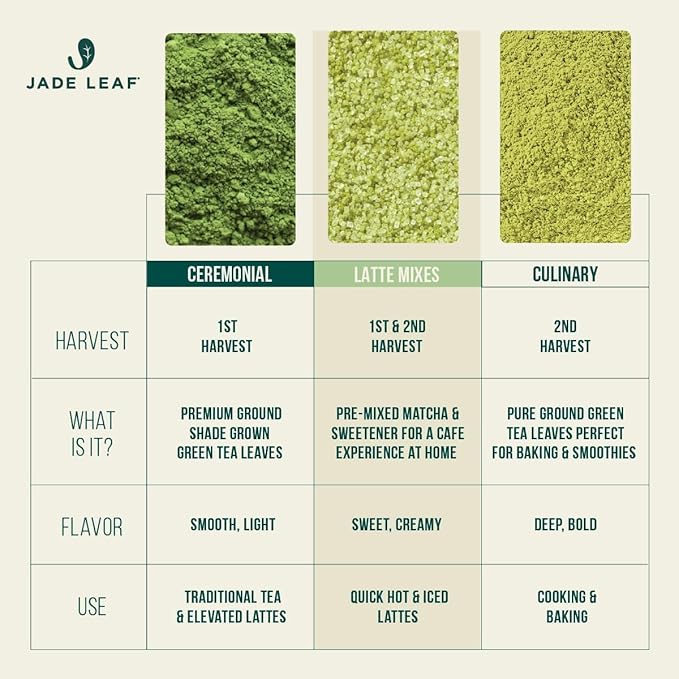
Matcha grades aren’t about “better or worse”, they’re about purpose. Ceremonial is for the purest experience, Premium is for daily enjoyment, and Culinary is for creative recipes. Knowing the difference helps you get the most out of every scoop, whether you’re whisking a quiet bowl in the morning or baking matcha cookies for friends.
Enjoyed this article so far? Don’t forget to follow our page for more exciting and mind blowing matcha articles like this. Check this article out if you want to know more about matcha: Complete Guide to Matcha: Tradition, Health, and Modern Uses
Thanks and have a great day!
Leo