Matcha vs Coffee: A Complete Guide to Choosing Your Daily Cup

Matcha vs Coffee? Hmmm…Quite tricky question… Matcha and coffee are two of the world’s favorite pick‑me‑ups ,and if you enjoy both (like many of us do), you’ve probably wondered which one is “better.” The truth is, they offer completely different energy styles, flavors, and health benefits. One gives you a calm, steady lift; the other hits fast and sharp.
Let’s break it down in a simple, friendly way so you can choose the drink that fits your mood, your mornings, and your lifestyle.
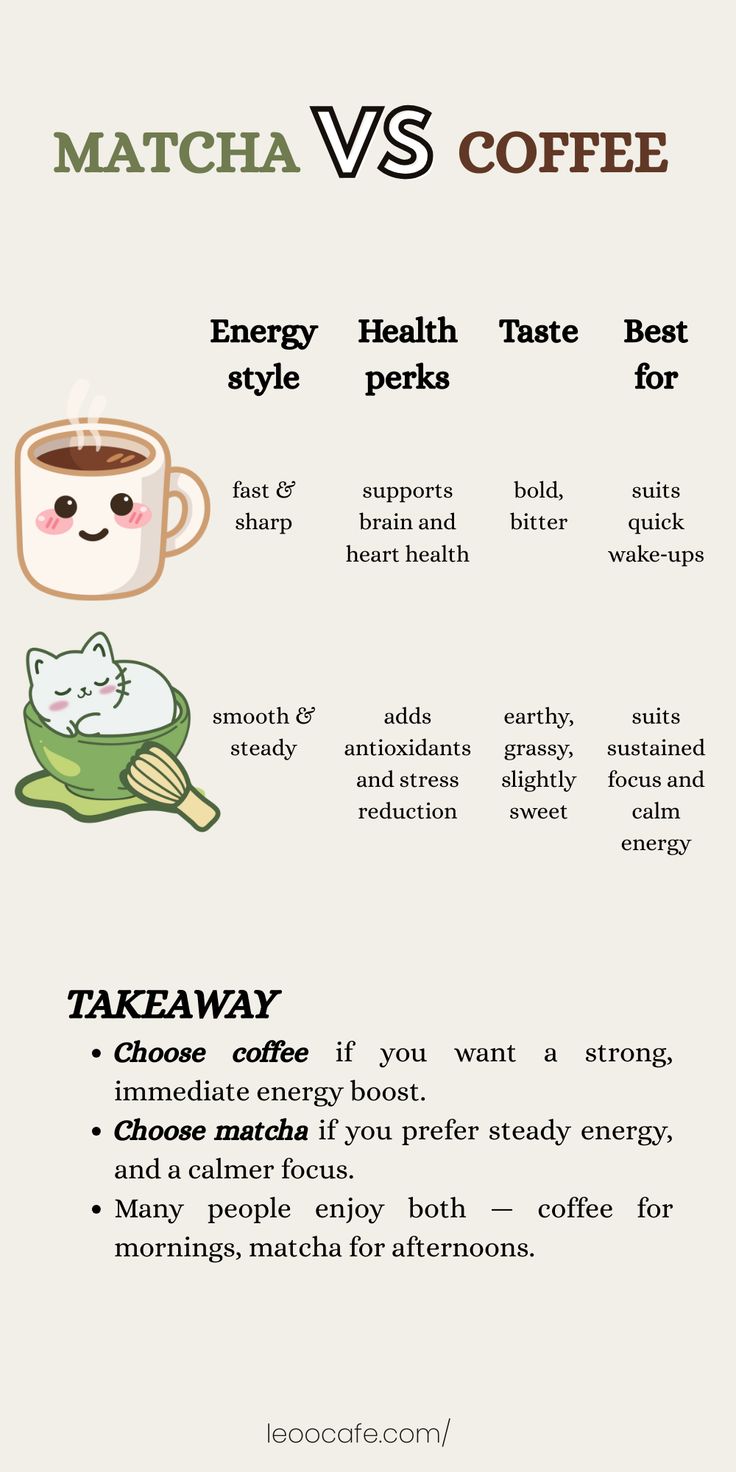
Table of Contents
🍵Matcha vs Coffee (Quick Definition)
Before comparing them, it helps to understand what each one actually is.
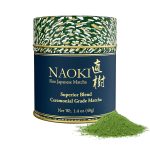
Matcha is a finely ground powder made from shade‑grown green tea leaves. Instead of steeping and removing the leaves, you whisk the powder directly into water — meaning you consume the whole leaf. This gives matcha its rich color, creamy texture, and concentrated flavor.
Coffee comes from roasted coffee beans, brewed in countless ways: drip, espresso, French press, cold brew, and more. Its flavor changes depending on the bean, roast level, and brewing method, which is why coffee lovers enjoy exploring different styles.
Both drinks have deep cultural roots and long histories, matcha in Japanese tea traditions, and coffee in global café culture.
🌱Matcha vs Coffee: Caffeine Levels & Energy Experience
Caffeine is one of the biggest reasons people compare matcha and coffee.
- Coffee generally contains more caffeine per serving. It delivers a fast, noticeable boost, great for busy mornings or when you need quick alertness.
- Matcha has moderate caffeine, but it’s paired with L‑theanine, an amino acid that can create a smoother, more gradual energy rise.
Some people prefer the sharper kick of coffee. Others enjoy the steady, focused feel of matcha. It really depends on how your body responds and what kind of energy you want.
🍃Matcha vs Coffee: Flavor & Drinking Experience
Matcha and coffee couldn’t be more different in flavor, and that’s part of the fun.
Matcha
- Earthy, grassy, slightly sweet
- Creamy when whisked
- Often described as calming or meditative
Coffee
- Bold, roasted, aromatic
- Can be fruity, nutty, chocolatey, or smoky depending on the bean
- Feels warm, energizing, and familiar
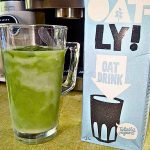
Both drinks can be simple or elevated: a quick iced Oatly matcha latte or a slow pour‑over, a ceremonial whisking or a cozy latte. There’s no right or wrong way to enjoy either one.
🩺Matcha vs Coffee: Health Considerations
Both matcha and coffee offer potential benefits, just in different ways.
Matcha
• Rich in antioxidants Matcha is known for its high antioxidant content, especially catechins. Because you consume the whole leaf (not just steeped water), you get a more concentrated dose compared to regular green tea. Antioxidants help support overall wellness and protect cells from everyday stress.
• Contains L‑theanine for calm focus One of matcha’s unique features is L‑theanine — an amino acid that may promote relaxation and smoother concentration. When paired with caffeine, it can create a more balanced, steady kind of alertness that some people find easier to manage.
• Typically gentler on the stomach Matcha is generally less acidic than coffee, which is why some people find it easier to drink on an empty stomach. Of course, everyone’s sensitivity is different, but matcha tends to feel smoother and lighter for many drinkers.
Coffee
• Also contains antioxidants Coffee is a natural source of antioxidants as well, though in different forms than matcha. These compounds can support overall wellness and are part of why coffee is enjoyed worldwide as part of a daily routine.
• May support alertness and metabolism Coffee’s higher caffeine content can help increase alertness quickly. Some people also enjoy coffee for its potential to support metabolism or help them feel more energized during busy mornings or workouts.
• Wide range of brewing styles and strengths One of coffee’s strengths is its versatility. You can adjust the flavor, strength, and caffeine level depending on the beans, roast, and brewing method — from a light pour‑over to a bold espresso. This flexibility lets people tailor their coffee to their preferences and needs.
🩺Matcha vs Coffee: Acidity & Stomach Sensitivity
- Coffee is naturally more acidic, which can bother some people or contribute to jitters.
- Matcha is generally less acidic, but still contains caffeine, so sensitivity varies.
Some people switch between the two depending on how their stomach feels that day.
☀️Matcha vs Coffee: Which One Fits Your Lifestyle?
Here’s a simple way to think about it:
Choose matcha if you enjoy:
- A smoother, more gradual energy lift
- Tea‑based drinks
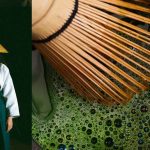
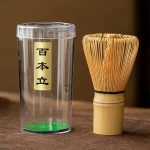
- A whisking ritual or a calmer morning routine
Choose coffee if you enjoy:
- A strong, immediate boost
- Bold, roasted flavors
- Brewing methods like espresso, pour‑over, or cold brew
And of course, many people enjoy both, matcha on slow mornings, coffee on busy ones.
✨Matcha vs Coffee Quick Comparison Table
| Feature | Matcha | Coffee |
|---|---|---|
| Caffeine | Moderate | Higher |
| Energy Feel | Gradual, steady | Fast, intense |
| Flavor | Earthy, creamy | Bold, aromatic |
| Acidity | Lower | Higher |
| Best For | Calm focus | Quick alertness |
| Preparation | Whisked | Brewed |
🧭 So… Which One Should You Choose?
Choose matcha if you want:
- Calm, steady energy
- Better focus
- Fewer jitters
- More antioxidants
- A gentle morning ritual
Choose coffee if you want:
- A strong, immediate kick
- Bold flavor
- A classic morning routine
- A quick boost before work or workouts
There’s no “better” drink, just the one that fits your day.
👍Where to Buy Matcha and Coffee
Finding good matcha and coffee starts with knowing where to shop. Both are widely available, but the quality can vary depending on the source. Here are the best places to look for each:
Where to Buy Matcha
- Specialty Tea Shops: Great for ceremonial and premium grades. Staff can guide you based on flavor, origin, and intended use.
- Japanese Markets or Asian Grocery Stores: Often carry authentic brands sourced from regions like Uji or Kagoshima.
- Online Retailers: Amazon, matcha‑focused websites, and direct‑from‑farm shops offer a wide range of grades and price points.
- Cafés and Tea Bars: Some cafés sell the same matcha they use for their lattes — a good option if you already love their flavor.
Where to Buy Coffee
- Local Coffee Roasters: Freshly roasted beans, unique blends, and expert recommendations. Ideal for exploring flavor profiles.
- Supermarkets: Convenient and affordable, with options ranging from ground coffee to whole beans.
- Online: You can also buy good coffee in e-commerce platforms like Amazon Great for discovering new roasters, single‑origin beans, and seasonal blends.
- Cafés: Many coffee shops sell their house blends or signature roasts, perfect if you want to recreate your favorite cup at home.
❤️ Final Takeaway
Matcha and coffee each bring something special to the table. Matcha gives you calm clarity; coffee gives you bold energy. Some people (and that includes me! Haha!) switch between the two depending on their mood. Others stick to one forever.
Whichever you choose, enjoy the moment, whether it’s whisking a bright green bowl or sipping a hot, aromatic cup of coffee.
Enjoyed this article so far? Don’t forget to follow our page for more exciting and mind blowing matcha articles like this. Check this article out if you want to know more about matcha: Complete Guide to Matcha: Tradition, Health, and Modern Uses
Thanks and have a great day!
Leo