Ceremonial Matcha vs Culinary Matcha

Ceremonial matcha vs culinary matcha…? Some matcha powders look almost identical at first glance — bright green, finely ground, beautifully packaged. But if you’ve ever wondered why some are labeled ceremonial and others culinary, you’re not alone. These two grades serve completely different purposes, and choosing the right one can transform your matcha experience, whether you’re whisking a quiet morning bowl or baking matcha cookies for friends.

This guide breaks down the differences in a simple, friendly way — flavor, color, texture, uses, and how to choose the right grade for your daily matcha making habbit.
Table of Contents
- 🌱 What Is Ceremonial Matcha?
- 🍰 What Is Culinary Matcha?
- 📊 Ceremonial Matcha vs Culinary Matcha (Quick Comparison)
- 🧭 Which One Should You Choose?
- 💡 Expert Tips for Buying Matcha
- 🛒 Where to Buy Ceremonial and Culinary Matcha
- ✨ Fun Fact
- 🧂 How to Store and Use Your Matcha for Best Flavor
- 🍵 Matcha Recipes You Might Want to Try
🌱 What Is Ceremonial Matcha?
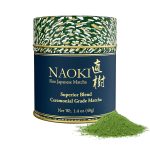
Ceremonial matcha is the highest grade of matcha — the kind traditionally used in Japanese tea ceremonies. It’s made from the youngest, most tender shade‑grown leaves, carefully stone‑ground to preserve flavor and nutrients.
- Color: Vibrant, bright green
- Flavor: Smooth, naturally sweet, delicate umami
- Texture: Silky and ultra‑fine
- Best Use: Drinking straight with water
- Experience: Calm, meditative, and pure
Ceremonial matcha is meant to be enjoyed slowly. No milk, no sweeteners — just matcha whisked with hot water until frothy. It’s the closest you can get to tasting matcha in its most traditional, authentic form.
🍰 What Is Culinary Matcha?
Culinary matcha is crafted for mixing, blending, and cooking. It’s made from slightly older leaves, giving it a stronger, more robust flavor that stands up well in recipes.
- Color: Duller green, sometimes leaning yellow
- Flavor: Bold, grassy, slightly bitter
- Texture: Fine, but not as delicate
- Best Use: Lattes, smoothies, baking, desserts
- Experience: Versatile, creative, everyday‑friendly
Culinary matcha shines when paired with milk, sugar, fruit, or heat. It’s perfect for matcha lattes, matcha cookies, matcha ice cream, and even savory dishes.
📊 Ceremonial Matcha vs Culinary Matcha (Quick Comparison)
| Feature | Ceremonial Matcha | Culinary Matcha |
|---|---|---|
| Color | Bright, vibrant green | Dull to yellowish green |
| Flavor | Smooth, sweet, umami | Bold, grassy, slightly bitter |
| Texture | Ultra‑fine, silky | Fine but less delicate |
| Best For | Traditional whisked tea | Lattes, baking, cooking |
| Price | Higher | More affordable |
🧭 Which One Should You Choose?
It depends on how you enjoy matcha:
- Choose ceremonial matcha if you love traditional tea, slow mornings, and pure flavor.
- Choose culinary matcha if you make lattes, smoothies, or matcha desserts.
💡 Expert Tips for Buying Matcha
- Look for origin: Uji and Kagoshima are known for high‑quality matcha.
- Check the color: Bright green usually indicates fresher, higher‑grade leaves.
- Smell the aroma: Ceremonial matcha smells sweet and grassy; culinary smells stronger and more robust.
- Read the label: Some brands clearly state the grade; others use terms like “latte grade” or “premium grade.”

Photo Credit Mirkostoedter, Pixabay
🛒 Where to Buy Ceremonial and Culinary Matcha
Finding good matcha starts with knowing where to shop. buying from reputable sources makes a huge difference in flavor, freshness, and color.
Where to Buy Ceremonial Matcha
- Japanese Specialty Stores: These shops often carry authentic, high‑quality ceremonial matcha sourced from regions like Uji or Kagoshima.
- Tea Houses & Matcha Boutiques: Staff can guide you through flavor notes, grades, and origins — perfect if you’re new to ceremonial matcha.
- Online Matcha Brands: Many reputable brands ship directly from Japan or offer farm‑to‑cup options. Look for clear labeling and harvest details.
- Cafés That Sell Their Own Matcha: Some specialty cafés sell the same ceremonial matcha they use for their drinks — a great way to recreate your favorite cup at home.
Where to Buy Culinary Matcha
- Supermarkets & Grocery Stores: Culinary matcha is widely available and perfect for everyday use, especially in lattes and baking.
- Online Retailers: Amazon and matcha‑focused websites offer a wide range of culinary grades at different price points.
- Asian Markets: Affordable, reliable options for cooking and latte‑grade matcha.
- Café Retail Shelves: Many cafés sell “latte grade” matcha, which is essentially culinary matcha designed for milk‑based drinks.
What to Look For When Buying Matcha
- Color: Bright green for ceremonial; deeper green for culinary.
- Origin: Uji, Nishio, Kagoshima, and Yame are known for quality.
- Texture: Finer powders whisk more smoothly.
- Packaging: Airtight, light‑blocking containers preserve freshness.
- Brand Transparency: Look for brands that clearly state grade, origin, and harvest.
✨ Fun Fact
Ceremonial matcha has been part of Japanese tea culture for centuries, symbolizing mindfulness and presence. Culinary matcha is a modern evolution — a way to bring matcha into everyday cooking, cafés, and creative recipes. Both honor the same leaf, just in different ways.
🧂 How to Store and Use Your Matcha for Best Flavor
Matcha is delicate — its color, aroma, and flavor can change depending on how you store it, and so, keeping it fresh will make a huge difference.
- Keep It Away From Light and Heat: Matcha oxidizes quickly when exposed to sunlight or warm temperatures. Store it in a cool, dark place — a pantry or cupboard works well.
- Use Airtight Containers: Air is matcha’s biggest enemy. Once opened, transfer your matcha to an airtight tin or keep it sealed tightly in its original pouch. This helps preserve its color and aroma.
- Refrigeration (Optional but Helpful): If you live in a warm or humid climate, keeping matcha in the fridge can help maintain freshness. Just make sure the container is airtight to prevent moisture from getting in.
- Use Ceremonial Matcha Quickly: Ceremonial matcha is more delicate, so its flavor fades faster. Try to use it within 1–2 months of opening for the best experience.
- Culinary Matcha Lasts Longer: Culinary matcha is more robust, making it great for everyday use. It stays flavorful for 2–4 months after opening when stored properly.
- Avoid Scooping With Wet Utensils: Moisture causes clumping and can ruin the powder. Always use a dry spoon or matcha scoop.
- Taste Test Before Using: If your matcha starts tasting dull, flat, or overly bitter, it may be past its prime. Culinary matcha can still be used for baking, but ceremonial matcha is best enjoyed fresh.

🍵 Matcha Recipes You Might Want to Try
- Matcha Vanilla Latte
- Oatly Matcha Latte
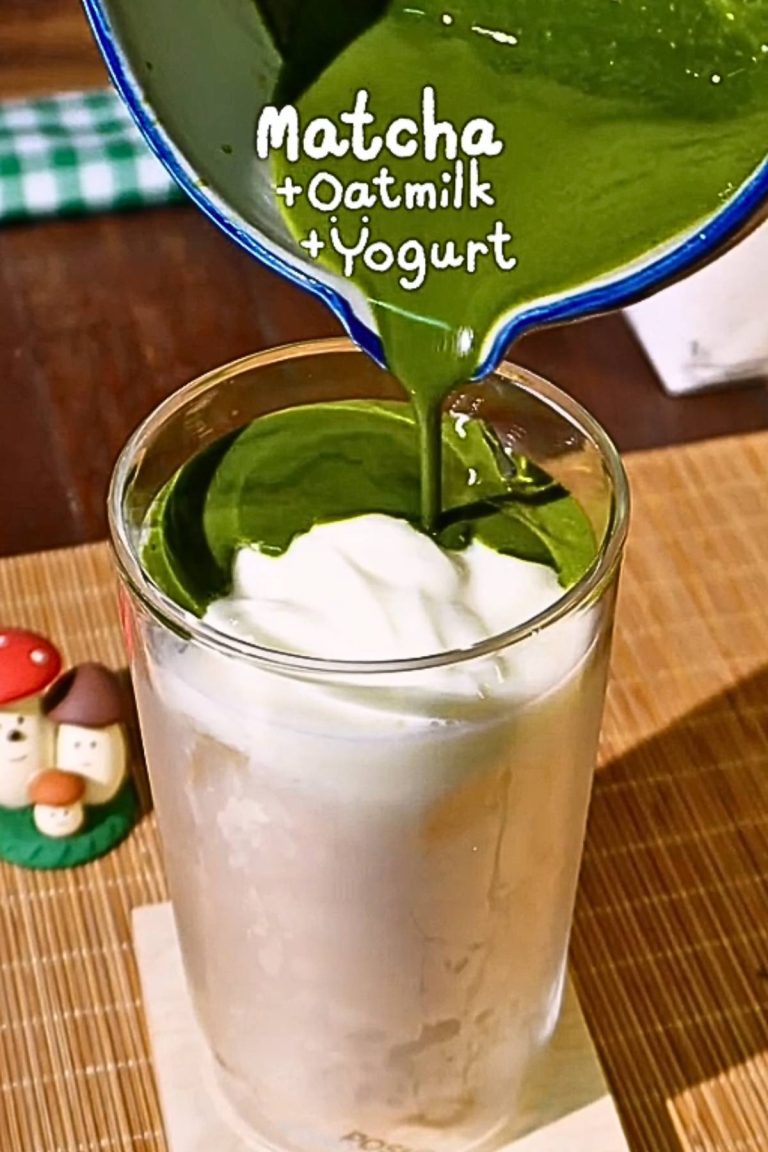
- Matcha Oatmilk Yogurt
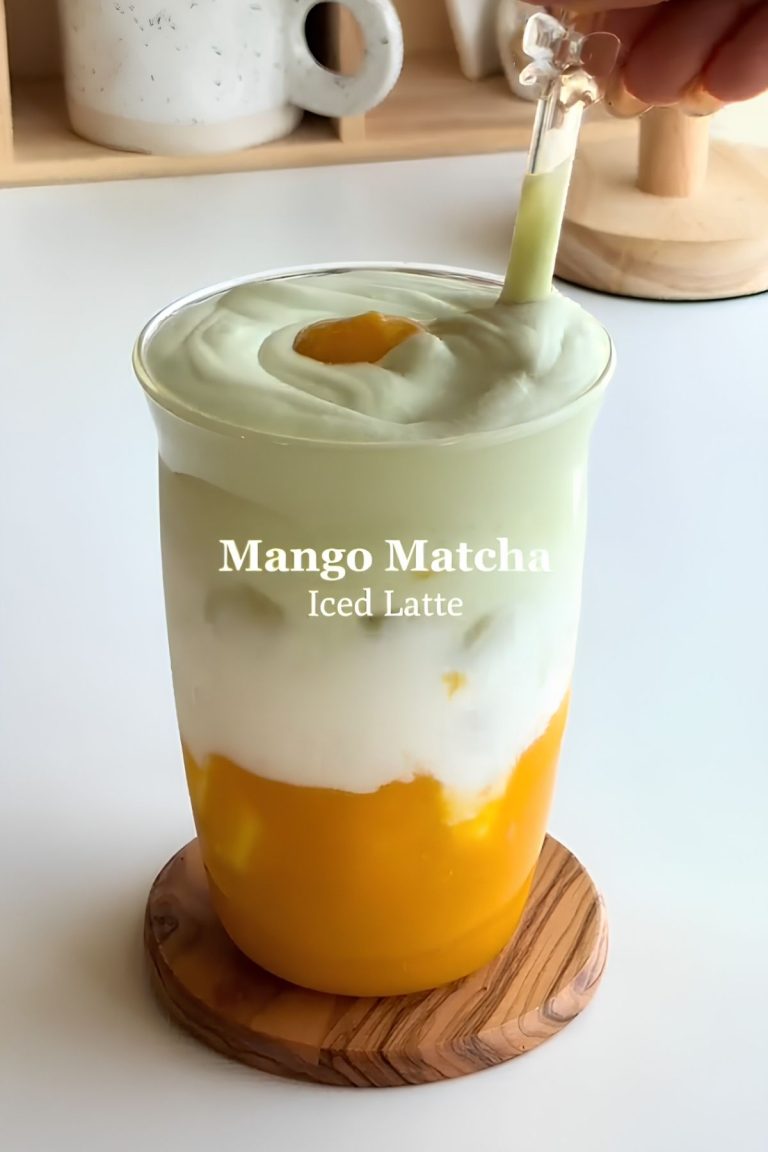
- Matcha Mango Latte
- Matcha Smoothie
- Almond Matcha
- Avocado Matcha Smoothie
- Strawberry Matcha Latte
- Matcha Affogato