Culinary Matcha vs Ceremonial Matcha: What’s the Difference?

If you’ve ever shopped for matcha, you’ve probably noticed two common labels: culinary matcha vs ceremonial matcha. At first glance, they might look similar — but they serve very different purposes. Understanding the difference helps you choose the right matcha for your recipes, lattes, or quiet tea rituals.
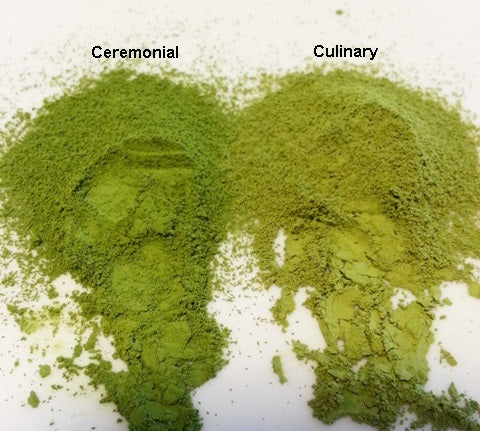
(Photo Credit: Midori Spring)
🌱 Ceremonial Matcha
Ceremonial grade is the highest quality matcha, traditionally used in Japanese tea ceremonies. It’s made from the youngest shade‑grown leaves, carefully stone‑ground to preserve flavor and nutrients.
- Color: Vibrant, bright green
- Flavor: Smooth, naturally sweet, delicate umami
- Texture: Fine, silky powder
- Use: Drinking straight with water, traditional whisking rituals
- Price: Higher, reflecting its craftsmanship
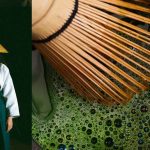
Ceremonial matcha is all about purity and experience. It’s meant to be savored slowly, whisked into a frothy bowl, and enjoyed without added milk or sweeteners.
🍰 Culinary Matcha
Culinary grade is designed for mixing into recipes. It’s made from slightly older leaves, giving it a stronger, more robust flavor that holds up when combined with other ingredients.
- Color: Duller green, sometimes yellowish
- Flavor: Bold, slightly bitter, grassy
- Texture: Fine, but less delicate than ceremonial
- Use: Baking, smoothies, lattes, savory dishes
- Price: More affordable, ideal for everyday cooking
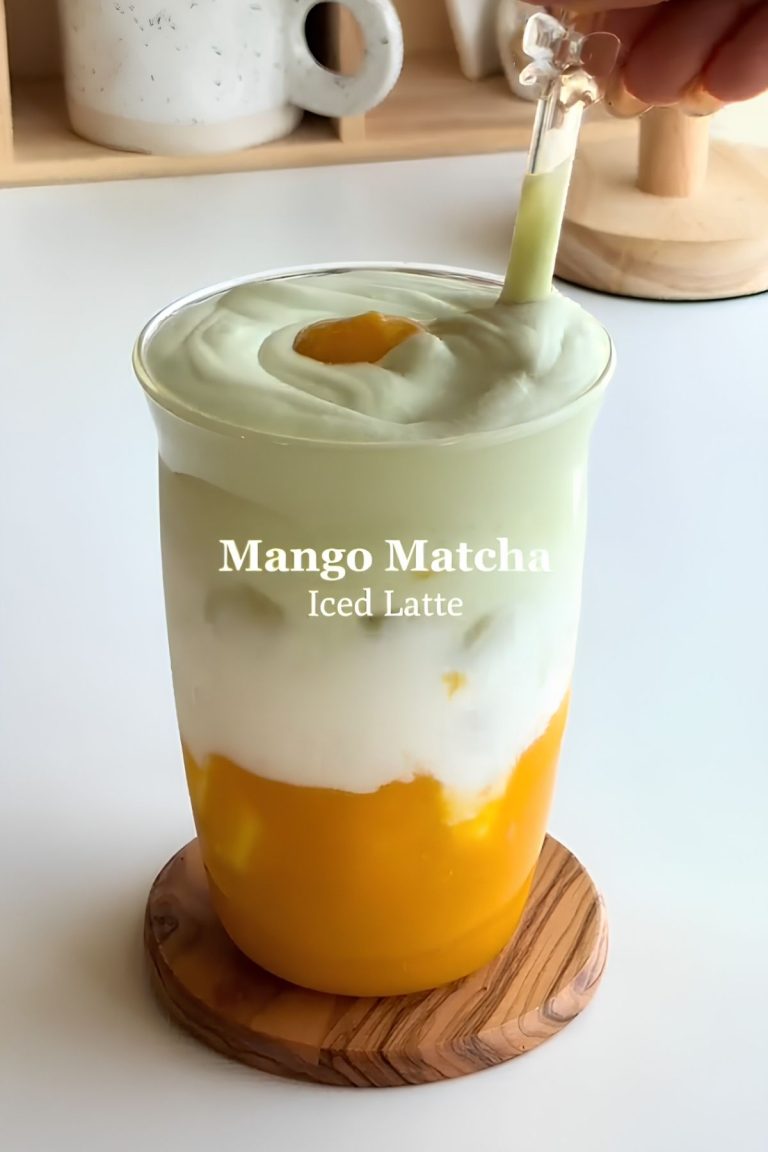
Culinary matcha shines in recipes where its flavor needs to stand out — think matcha ice cream, cookies, or a creamy latte.
📊 Quick Comparison Table: Culinary Matcha vs Ceremonial Matcha
| Feature | Ceremonial Matcha | Culinary Matcha |
|---|---|---|
| Color | Bright, vibrant green | Dull to yellowish green |
| Flavor | Smooth, sweet, umami | Bold, grassy, slightly bitter |
| Texture | Silky, fine powder | Fine, but less delicate |
| Best Use | Traditional tea, sipping straight | Baking, lattes, cooking |
| Price | $$$ (premium) | $ (affordable) |
🧭 Which One Should You Choose?
- Choose ceremonial matcha if you want a pure, traditional tea experience — smooth, frothy, and meditative.
- Choose culinary matcha if you’re baking, cooking, or making lattes where matcha needs to mix with other flavors.
- Many matcha lovers keep both on hand: ceremonial for quiet mornings, culinary for creative recipes.
🍵 Try These Drinks With Ceremonial Matcha
Ceremonial matcha shines in drinks where its smooth, naturally sweet, and vibrant flavor can stand on its own. These options highlight its delicate taste and creamy texture.
- Matcha Latte — Warm, frothy, and perfect for showcasing high‑quality matcha.
- Iced Matcha Latte — Light, refreshing, and ideal for hot days.
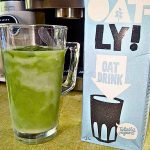
- Matcha Oatmilk Latte — Dairy‑free and extra creamy.
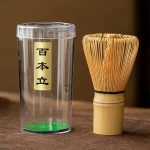
- Traditional Whisked Matcha — Just matcha + water for pure flavor.
- Matcha Lemonade — Bright, sweet‑tart, and great for beginners.
🥣 Try These Recipes With Culinary Matcha
Culinary matcha is made for mixing, baking, and cooking. Its stronger flavor holds up beautifully in recipes where other ingredients compete for attention.
- Matcha Cookies — Soft, chewy, and vibrant green.
- Matcha Pancakes — Fluffy with a subtle earthy sweetness.
- Matcha Overnight Oats — Easy, energizing breakfast.
- Matcha Yogurt Bowl — Creamy and antioxidant‑rich.
- Matcha Smoothie — Great for boosting flavor and color.
✅ Final Takeaway
Ceremonial and culinary matcha aren’t rivals — they’re simply made for different purposes. Ceremonial is about tradition and purity, while culinary is about versatility and creativity. Knowing the difference ensures you get the best flavor, texture, and value out of every scoop.